
Why Beautiful Art Doesn't Always Make a Great Investment

Beauty alone rarely creates value. Discover how rarity, provenance, institutional recognition, auction performance, and global demand transform exceptional artworks into investment-grade assets sought by family offices and sophisticated collectors worldwide.
Introduction
Buying art simply because it's beautiful is one of the most common—and costly—mistakes collectors and investors make.
Beauty captures attention. Lasting value is created by rarity, provenance, historical significance, market demand, and sustained collector confidence.
Every year, thousands of visually striking artworks are purchased for their aesthetic appeal alone. Most will never increase in value. In contrast, a small number of investment-grade works evolve into multi-million-dollar assets, preserving wealth and becoming part of family legacies for generations.
Successful art investors understand a fundamental principle: emotional appeal may inspire a purchase, but scarcity and market fundamentals determine long-term value.
The real question is not:
"Do I love this artwork?"
It is:
"Will the market still value it twenty years from now?"
The Global Art Market Has Become a Strategic Asset Class
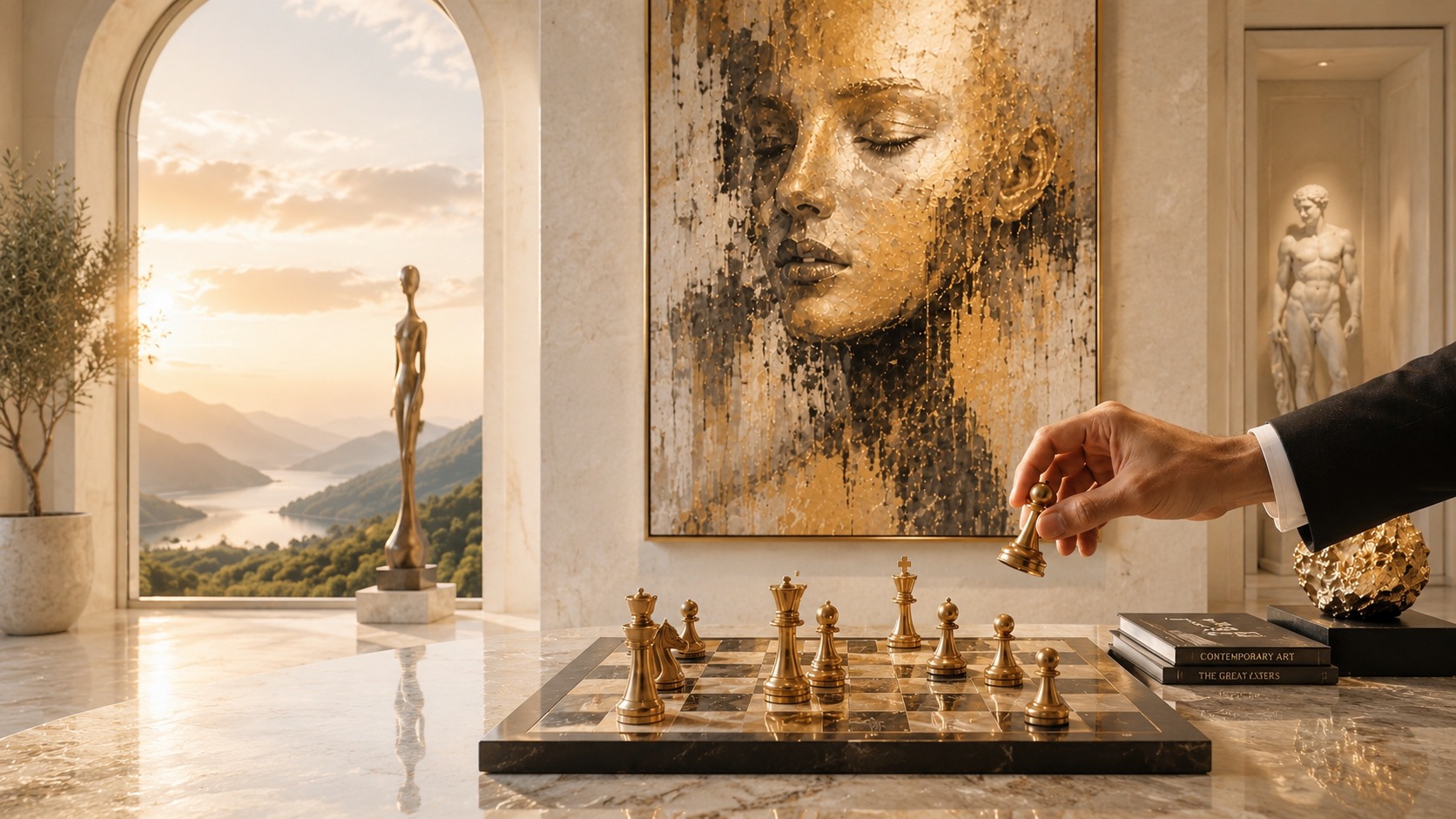 For generations, art was viewed primarily as a passion purchase—an expression of personal taste reserved for collectors, museums, and enthusiasts. Today, that perception has fundamentally changed.
Investment-grade art has emerged as a strategic asset class, increasingly integrated into the wealth preservation strategies of family offices, ultra-high-net-worth individuals (UHNWIs), and sophisticated private investors.
Rather than separating cultural assets from financial assets, today's investors evaluate exceptional artworks alongside prime real estate, historic estates, prestigious vineyards, collector automobiles, rare watches, and other tangible assets defined by scarcity, provenance, and enduring global demand.
Why Family Offices Are Increasing Their Exposure to Art
Traditionally, family offices allocated wealth across equities, private equity, fixed income, and real estate. Increasingly, they are expanding into investment-grade art to enhance portfolio diversification while preserving long-term purchasing power.
Unlike publicly traded securities, museum-quality artworks generally exhibit a low correlation with financial markets, providing exposure to an asset class driven by entirely different market dynamics.
For sophisticated investors, diversification is no longer about owning more assets—it is about owning assets that behave differently during periods of economic uncertainty.
Tangible Assets That Preserve Wealth
Recent years have reinforced global demand for tangible assets capable of preserving wealth across generations.
Alongside prime luxury real estate, historic vineyards, collector cars, rare timepieces, and architectural landmarks, investment-grade artworks have become increasingly attractive because they combine scarcity, cultural significance, and long-term resilience.
Unlike financial instruments, an exceptional artwork can simultaneously provide emotional enjoyment, historical importance, and economic value within a single asset.
Investment-grade artworks have become increasingly attractive because they combine scarcity, cultural significance, and long-term resilience. The same long-term philosophy increasingly shapes luxury real estate and wellness-oriented investments, as we explore in our article on The New Luxury Is Time.
The same investment philosophy also extends to prestigious vineyards. Exceptional wine estates combine scarcity, international reputation, productive assets, and cultural heritage within a single investment.
Our Super Tuscan Wine Estate in Maremma, Tuscany is an example of this unique combination.
Luxury Real Estate and Art: Complementary Investments
Luxury real estate and investment-grade art share remarkably similar characteristics.
Prime properties in cities such as London, Paris, New York, Dubai, and along the French Riviera continue to attract global capital because of their limited supply and enduring desirability. Exceptional artworks follow the same economic principles.
Both asset classes derive value from scarcity, international demand, and long-term confidence rather than short-term market sentiment.
Whether investing in a historic château, a blue-chip artwork, or a prestigious vineyard, sophisticated investors pursue assets capable of preserving capital while building lasting family wealth.
Historic estates illustrate many of the same principles that drive the value of investment-grade art: scarcity, heritage, provenance, and enduring international demand. We explore these parallels in greater depth in our article, "Why Historic Castles Are Becoming Strategic Assets for Global Investors."
From medieval fortresses overlooking the Mediterranean to centuries-old estates across Europe, heritage properties embody the same principles that define investment-grade art: rarity, authenticity, provenance, and irreplaceable cultural value.
Explore, for example, our Historic Seafront Fortress in Capraia, Tuscany.
Wealth Preservation Across Generations
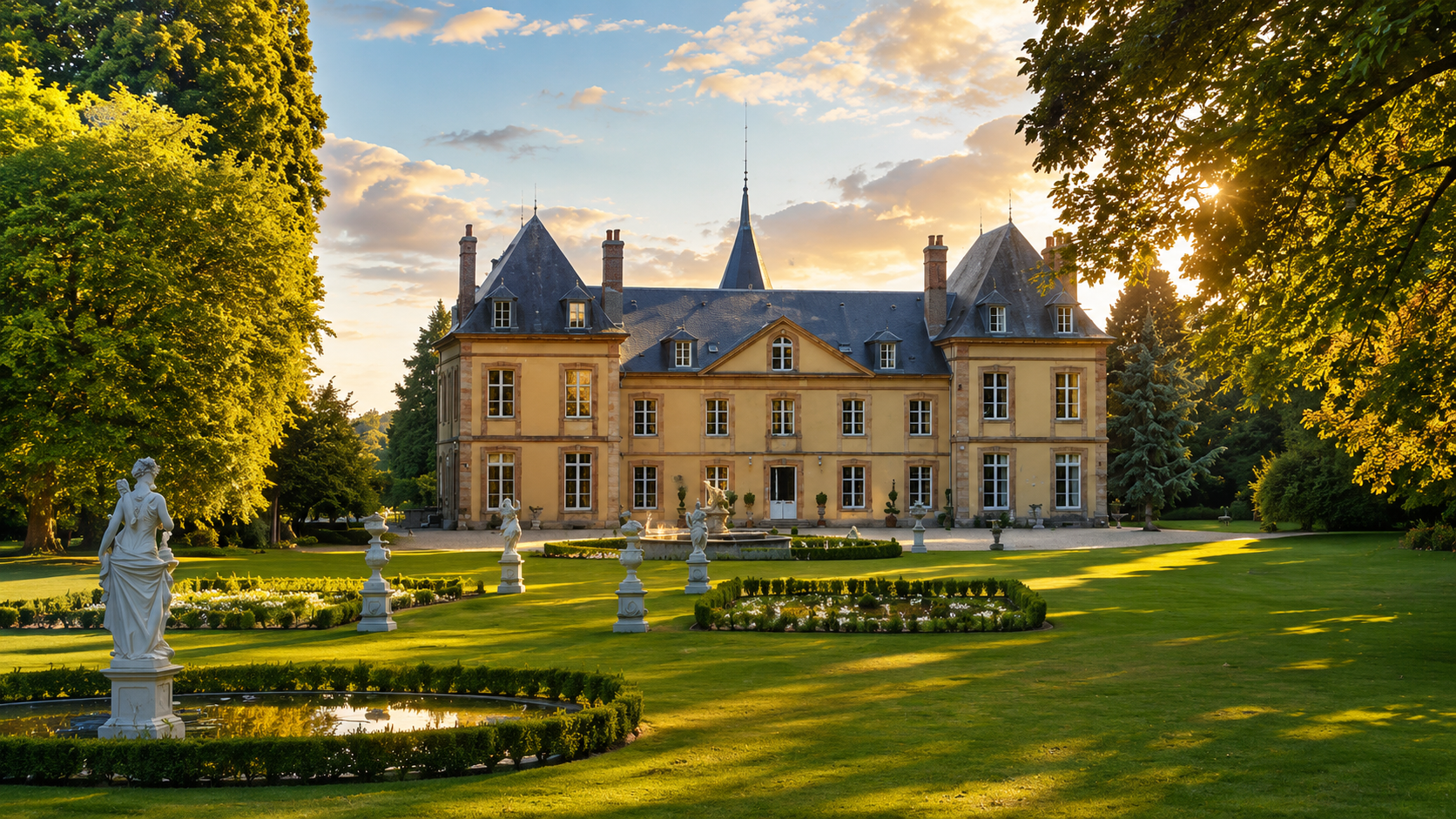 For many family offices, investment success is measured over decades rather than quarters.
Exceptional artworks naturally fit this long-term philosophy because they preserve purchasing power while becoming part of a family's cultural identity.
The world's most influential collectors rarely acquire art solely for financial returns. They invest in works that reflect their vision, strengthen their legacy, and can be transferred across generations alongside other exceptional assets.
The same long-term philosophy applies to exceptional heritage real estate.
Our 100-Hectare Historic Castle in the Loire Valley illustrates how remarkable estates can preserve wealth while becoming part of a family's legacy for generations.
When approached strategically, investment-grade art offers a unique combination of portfolio diversification, capital preservation, cultural influence, and estate planning.
Today, art is no longer simply collected.
It is strategically owned.
Some heritage properties are acquired not only as investments, but as family legacies.
Our Fairy-Tale Castle in the Loire Valley exemplifies how exceptional estates can preserve both wealth and history across generations.
Why Beautiful Art Often Fails as an Investment
One of the most persistent myths in the art market is the belief that beauty alone creates value. It doesn't.
A work of art can be visually captivating, technically accomplished, and deeply moving, yet still fail to appreciate in value over time. The reason is simple: financial value is determined by the market—not by personal taste.
This is where many first-time buyers fall into an emotional trap. They purchase what they love, assuming others will eventually value it the same way. Unfortunately, investment returns are driven by objective market dynamics rather than subjective appreciation.
The Emotional Trap
Emotion is an essential part of collecting. Every great collection begins with admiration, curiosity, or passion. But when emotion becomes the only investment criterion, it often leads to disappointing financial outcomes.
Many buyers mistake emotional attachment for market demand. They believe that if a work speaks to them, it must inevitably become valuable. In reality, the global art market rewards scarcity, historical significance, institutional recognition, and sustained collector demand—not simply visual appeal.
Collectors Buy Beauty. Investors Buy Scarcity.
Collectors purchase works because they want to live with them, admire them, and build a personal collection.
Sophisticated investors ask a different set of questions:
-
Is the artist internationally recognized?
-
Is the work genuinely rare?
-
Is its provenance fully documented?
-
Has it been exhibited by respected institutions?
-
Is there sustained demand from collectors and auction houses?
-
Will this work still matter twenty years from now?
These questions focus on long-term value creation rather than immediate emotional satisfaction.
Demand Creates Value
History repeatedly demonstrates that rarity without demand has limited financial significance, while beauty without scarcity rarely creates lasting value.
An exceptional artwork becomes an investment only when collectors, museums, galleries, and the broader market collectively recognize its importance. Market confidence transforms an object into an asset.
Without sustained demand, even the most beautiful painting remains exactly what it was on the day it was purchased:
A beautiful object.
Not necessarily a valuable investment.
The distinction is subtle—but it is one of the most important principles in successful art investing.
The Five Factors That Actually Create Value
Successful art investing begins with understanding a simple reality: the market does not reward beauty alone. It rewards scarcity, credibility, and sustained demand.
The world's most valuable artworks share a combination of characteristics that distinguish them from decorative pieces. Whether purchased by private collectors, family offices, or institutional investors, investment-grade artworks derive their value from objective market fundamentals rather than personal taste.
1. Rarity
Scarcity is one of the most powerful drivers of value in any luxury market.
An artwork that cannot easily be replaced naturally attracts stronger competition among collectors. Limited production, unique masterpieces, historically significant works, or pieces from highly sought-after periods of an artist's career tend to command premium prices because supply is permanently constrained.
As demand increases while supply remains fixed, value has the potential to appreciate over time.
This principle applies equally to exceptional artworks, luxury real estate, rare watches, vintage automobiles, and fine wines.
A unique medieval fortress or a historic castle cannot be reproduced. Like a masterpiece of art, its rarity is one of the foundations of its long-term value.
Our Last Knights Templar Castle on the French Riviera perfectly illustrates how scarcity and historical significance combine to create enduring investment appeal.
2. Provenance
In the art market, provenance is far more than a record of ownership—it is a measure of trust.
Sophisticated collectors do not simply purchase an artwork; they invest in its documented history. A clear provenance establishes authenticity, confirms legal ownership, and strengthens confidence among future buyers.
Works that have belonged to renowned collectors, prestigious private collections, or respected institutions often command significantly higher prices because their history enhances their credibility.
In many cases, buyers are purchasing trust as much as they are purchasing art.
3. The Artist's Career
The long-term value of an artwork is closely linked to the reputation and trajectory of its creator.
Collectors and investors closely monitor indicators that demonstrate an artist's growing institutional importance, including:
-
Museum exhibitions and retrospectives
-
Representation by leading international galleries
-
Acquisitions by major public collections
-
Academic publications and scholarly research
-
Critical recognition from respected art historians and curators
-
Participation in prestigious biennales and international art fairs
These milestones reinforce an artist's position within art history and often contribute to sustained market demand over time.
Investment-grade art is rarely created overnight. Its value is built through years—sometimes decades—of institutional recognition.
4. Auction Performance
Auction results provide one of the clearest indicators of market confidence.
Leading auction houses such as Christie's, Sotheby's, and Phillips establish transparent pricing benchmarks that collectors, advisors, insurers, and family offices rely upon when assessing value.
Consistent auction performance demonstrates liquidity, validates demand, and provides historical pricing data that helps investors evaluate long-term market trends.
A single record-breaking sale may attract headlines, but repeated strong results across multiple years provide far more meaningful evidence of enduring market strength.
5. International Demand
Perhaps the most important distinction between decorative art and investment-grade art is the breadth of its audience.
Works sought after by collectors across North America, Europe, the Middle East, and Asia benefit from a far deeper buyer pool than those appreciated only within a single region.
Global demand creates liquidity.
Liquidity creates confidence.
Confidence supports long-term value.
By contrast, artworks whose appeal remains limited to a local market often face fewer potential buyers, lower trading volumes, and greater pricing uncertainty.
For sophisticated investors, international demand is not simply desirable—it is essential.
Value Is Built, Not Assumed
The world's most valuable artworks rarely achieve their status by chance. They combine rarity, impeccable provenance, institutional recognition, proven auction performance, and sustained international demand.
These five pillars transform an artwork from an object of admiration into a strategic asset capable of preserving wealth, diversifying portfolios, and becoming part of a lasting family legacy.
Understanding these principles is what separates emotional buying from intelligent art investing.
Case Case Study: Why Salvator Mundi Sold for $450.3 Million
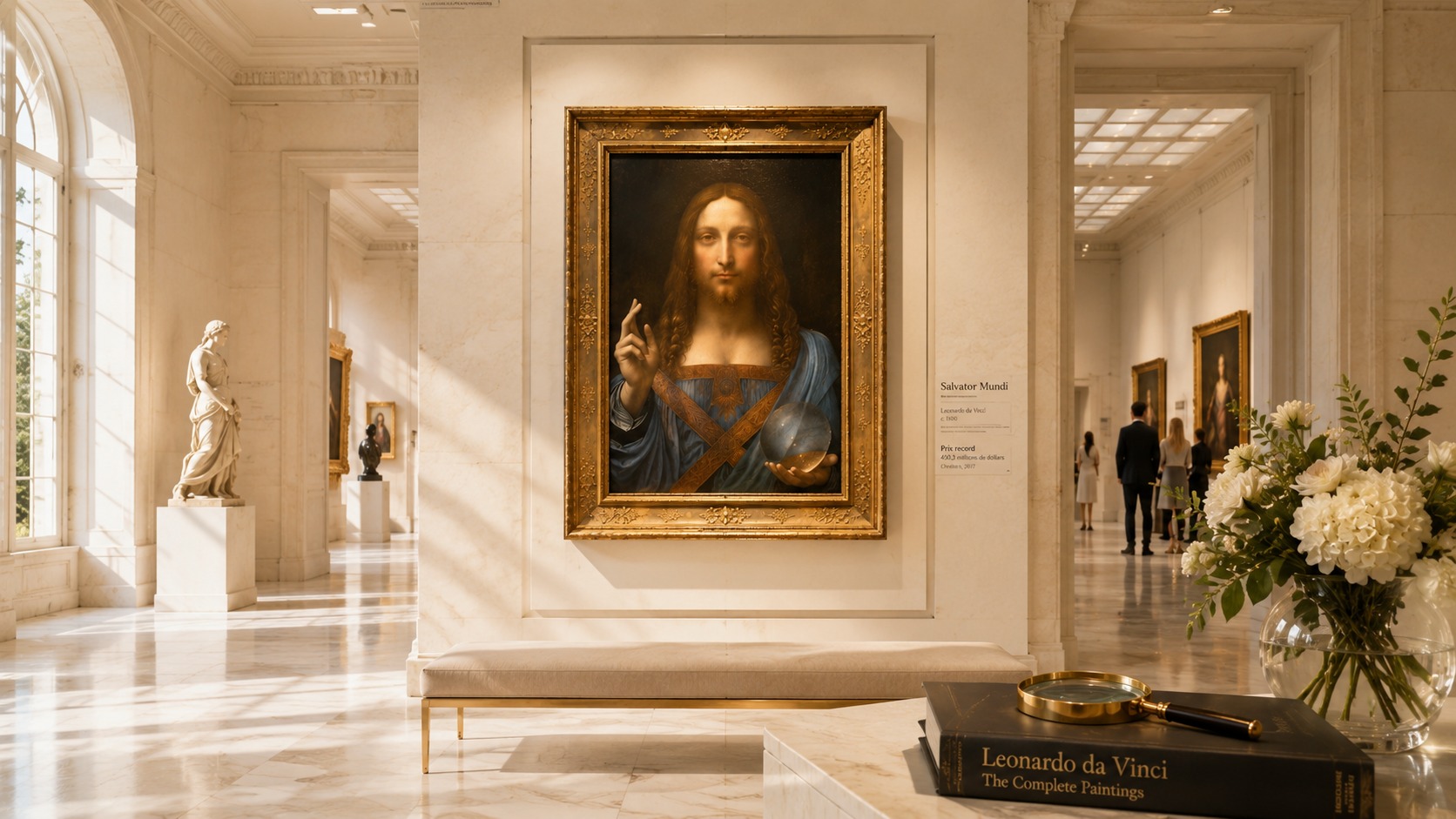 No artwork illustrates the difference between beauty and investment value better than Salvator Mundi.
When the painting sold for $450.3 million in 2017, it became the most expensive artwork ever sold at auction. The record-breaking price surprised the public, but seasoned art market professionals understood that the transaction reflected far more than aesthetics.
Beauty alone did not justify the valuation.
Its extraordinary price was the result of several powerful value drivers converging in a single work.
Leonardo da Vinci
The most decisive factor was authorship.
Leonardo da Vinci is one of the most influential figures in the history of art. With fewer than twenty paintings widely accepted as his work, every authenticated masterpiece represents an exceptionally scarce cultural asset.
For collectors and institutions, opportunities to acquire a painting by Leonardo are almost nonexistent.
Extraordinary Rarity
Scarcity is the foundation of value.
Unlike contemporary artists who may produce hundreds of works during their careers, Leonardo's surviving paintings are extraordinarily few. This limited supply creates intense competition whenever one becomes available on the market.
In the world of investment-grade art, rarity is often more valuable than beauty itself.
Exceptional Provenance
The painting's documented history also played a critical role in its valuation.
Years of research, restoration, scholarly debate, and authentication transformed Salvator Mundi into one of the most closely examined artworks in history. Its provenance provided buyers with confidence in its authenticity and reinforced its position within the global art market.
In high-value transactions, trust is an asset in itself.
Cultural Significance
Beyond its financial value, Salvator Mundi occupies a unique place in the history of Western art.
Owning such a work is not simply acquiring a painting—it is acquiring a piece of global cultural heritage. Few assets combine artistic, historical, and symbolic importance at this level.
This cultural significance greatly enhances long-term desirability among collectors, museums, and sovereign institutions.
Intense Global Competition
When Salvator Mundi came to auction, bidders from around the world competed for an asset that was effectively irreplaceable.
Competition among ultra-high-net-worth collectors, institutions, and state-backed buyers transformed the auction into a contest for one of the rarest cultural assets ever offered on the open market.
When demand is global and supply is virtually nonexistent, prices can reach unprecedented levels.
A Masterpiece That Became an Asset
The sale of Salvator Mundi demonstrates one of the most important principles in art investing:
The painting did not achieve its record price simply because it was beautiful.
Its value was created by the unique combination of legendary authorship, extraordinary rarity, documented provenance, profound cultural significance, and exceptional international demand.
That is what transformed Salvator Mundi from a masterpiece into one of the world's most valuable investment-grade assets—a benchmark that continues to shape how sophisticated collectors and family offices evaluate art today.: Why Salvator Mundi Sold for $450.3 Million
Beauty wasn't the reason.
Its value came from:
- Leonardo da Vinci
- extraordinary rarity
- exceptional provenance
- cultural significance
- intense global competition
The painting became an asset—not simply a masterpiece.
The Rise of Emotional Value in Luxury Investing
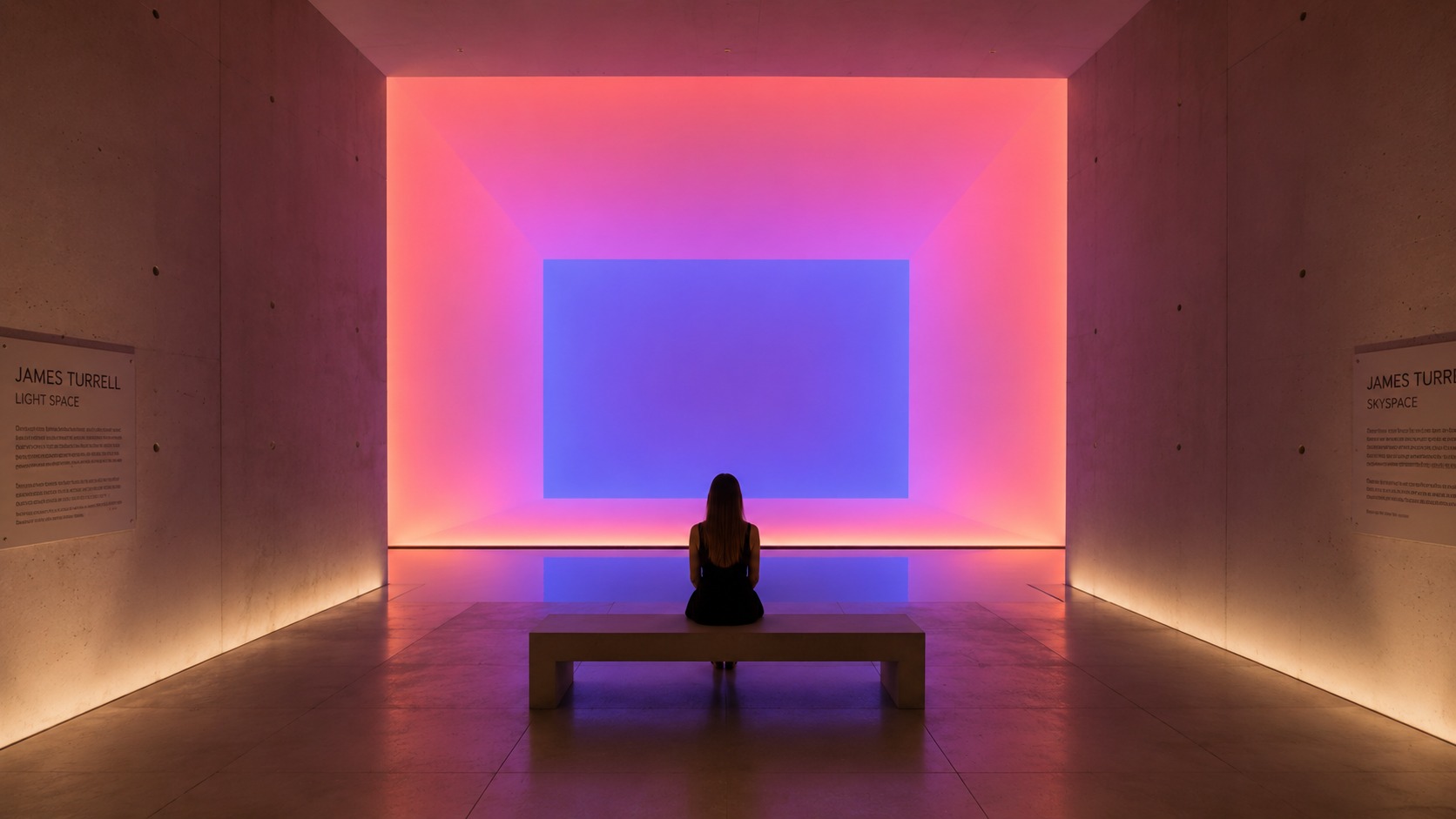 Luxury investing is evolving beyond traditional financial metrics. While rarity, provenance, and market demand remain essential drivers of value, sophisticated collectors increasingly recognize another dimension: emotional impact.
The most sought-after luxury assets today are those capable of delivering both financial resilience and meaningful personal experiences. This shift reflects a broader movement toward what many wealth advisors describe as Neuro-Luxury—an approach that values assets for the way they enhance well-being, inspire emotion, and enrich everyday life, while also preserving long-term wealth.
Neuro-Luxury Is Reshaping Art Collecting
Modern collectors are no longer choosing between passion and performance. They increasingly seek artworks that create emotional well-being while maintaining the characteristics of investment-grade assets.
This evolution is particularly evident among ultra-high-net-worth individuals (UHNWIs) and family offices, who view exceptional art not only as a portfolio diversifier but also as a source of intellectual stimulation, cultural identity, and personal fulfillment.
In this context, emotional value is no longer considered intangible or secondary. It has become an integral part of an artwork's overall appeal, complementing traditional factors such as scarcity, provenance, institutional recognition, and international demand.
One of the most compelling examples is the work of James Turrell. Rather than focusing on physical objects alone, Turrell creates immersive environments using light, color, and space to transform human perception. His installations invite contemplation, reduce sensory distraction, and generate experiences that many collectors describe as profoundly calming and memorable.
These qualities have contributed to sustained institutional recognition, international exhibitions, and strong demand from leading private collectors. While emotional impact alone does not determine market value, it can reinforce an artist's cultural relevance and long-term desirability when supported by scarcity, critical recognition, and a mature global market.
This evolution extends well beyond the art world. The same search for emotional well-being and long-term fulfillment is reshaping the broader luxury investment landscape, particularly in high-end real estate.
This vision is part of a broader transformation of luxury, where success is no longer measured solely by the value of the assets one owns, but by their ability to enhance quality of life over the long term.
We explore this evolution in our article, "Wellness & Slow Luxury 2026: Trends, Investments and Strategies of the World's Wealthiest Families," which examines how UHNWIs are increasingly investing in experiences, residences, and tangible assets that promote well-being, longevity, and peace of mind.
This philosophy is equally evident in today's luxury real estate market. Buyers increasingly seek residences that combine privacy, nature, wellness amenities, abundant natural light, and exceptional surroundings.
From our Panoramic Villa at Anahita, Mauritius, to our Luxury Villa in La Zagaleta, Marbella, our Seafront Villa in Emerald Bay, Corfu, and our Four Seasons Private Villa in Koh Samui, these properties embody the same principles that increasingly define modern luxury investing: exceptional quality of life combined with long-term asset value.
For today's sophisticated investors, the most valuable artworks achieve a rare balance: they preserve capital, diversify wealth portfolios, and enrich the lives of those who live with them. In the era of Neuro-Luxury, the strongest investments are often those that combine measurable financial fundamentals with an enduring emotional experience.
This evolution is part of a broader shift explored in our article "The Rise of Neuro-Luxury: Why Emotional Value Is Reshaping Luxury Investing," which examines how today's most exceptional assets create both lasting emotional experiences and long-term financial resilience.
Art Should Inspire You. But It Should Also Protect Your Wealth.
The most successful art investments never force a choice between passion and performance.
An exceptional artwork should inspire you every time you encounter it. It should enrich your daily life, reflect your personal vision, and create a lasting emotional connection.
But truly investment-grade art goes further.
It preserves purchasing power, strengthens portfolio diversification, and becomes a tangible asset capable of transferring wealth across generations.
That is the distinction sophisticated collectors, family offices, and long-term investors understand.
They do not ask whether a work is beautiful.
They ask whether it is rare, trusted, globally desirable, and likely to remain relevant decades from now.
Because in the world of luxury investing, the greatest artworks do more than decorate a home.
They protect capital.
They preserve legacy.
And they become part of a family's story for generations to come.
Frequently Asked Questions (FAQ)
Is art a good investment?
Art can be an excellent long-term investment, but only when purchased with the same discipline applied to other asset classes. Investment-grade artworks are typically distinguished by rarity, documented provenance, institutional recognition, strong auction performance, and sustained international demand. Buying art based solely on aesthetic appeal rarely produces consistent financial returns.
What makes an artwork increase in value?
Several factors influence an artwork's long-term appreciation, including the artist's reputation, scarcity, provenance, museum exhibitions, representation by leading galleries, auction history, and global collector demand. These fundamentals shape market confidence far more than personal taste alone.
What is investment-grade art?
Investment-grade art refers to artworks that possess the characteristics sought by sophisticated collectors, family offices, and institutional investors. They are generally created by established artists with international recognition, supported by a transparent provenance, a mature secondary market, and consistent demand from collectors worldwide.
Why do family offices invest in art?
Family offices increasingly view art as part of a diversified wealth management strategy. Investment-grade artworks can complement portfolios by providing exposure to tangible assets that are not directly correlated with traditional financial markets while also supporting wealth preservation and long-term legacy planning.
Is art a hedge against inflation?
Although no investment offers guaranteed protection against inflation, exceptional artworks have historically demonstrated the ability to preserve purchasing power over long investment horizons. Their limited supply and global desirability can help support value during periods of currency depreciation and economic uncertainty.
Should I buy art because I like it?
Personal enjoyment should always be part of collecting, but it should not be the only criterion if your objective is investment. The strongest acquisitions combine emotional appeal with objective market fundamentals such as rarity, provenance, institutional recognition, and sustained collector demand.
Why is provenance so important in the art market?
Provenance documents an artwork's ownership history and helps establish authenticity, legal certainty, and market confidence. A well-documented provenance often increases an artwork's attractiveness to collectors, museums, insurers, and future buyers.
How do auction houses influence art values?
Leading auction houses such as Christie's, Sotheby's, and Phillips provide transparent pricing benchmarks that help establish market value. Consistent auction performance demonstrates liquidity and collector confidence, making it an important indicator when evaluating investment-grade artworks.
What is the difference between decorative art and investment-grade art?
Decorative art is primarily acquired for its visual appeal or interior design value. Investment-grade art is purchased because it combines artistic quality with rarity, documented provenance, institutional recognition, international demand, and the potential for long-term value appreciation.
Can art become part of an estate planning strategy?
Yes. Exceptional artworks are increasingly used as part of intergenerational wealth planning. Beyond their financial value, they can preserve family heritage, diversify inherited assets, and become cultural legacies that are transferred from one generation to the next.
Conclusion: Beauty Attracts. Rarity Creates Value. Vision Builds Wealth.
Every collector begins with emotion.
The most successful investors simply add strategy.
An exceptional artwork should inspire you, enrich your daily life, and reflect your personal vision. But the greatest works do something more—they preserve wealth, strengthen a diversified portfolio, and become assets capable of being passed from one generation to the next.
The painting hanging on your wall can be more than a beautiful object.
It can become part of your family's legacy.
Whether it is a museum-quality masterpiece or an exceptional lakeside estate such as our Lakefront Estate in Laglio on Lake Como, truly timeless assets combine emotional significance with enduring investment value.
That distinction is not defined by beauty alone.
It is built on rarity, provenance, market confidence, and enduring global demand.
Before asking,
"Do I love this artwork?"
ask the question that sophisticated collectors and family offices ask first:
"Will this artwork still matter twenty years from now?"
Because beauty attracts attention.
Rarity creates value.
Knowledge protects wealth.
And that is why sophisticated collectors never buy art with their eyes alone.
They buy with vision.
They buy with discipline.
They buy with strategy.
Our Vision at Luxury World For You
At Luxury World For You, we believe that investment-grade art is one of the purest expressions of enduring wealth.
Like a historic castle, an iconic vineyard, a landmark estate, or an exceptional private residence, a great work of art represents far more than ownership. It embodies history, rarity, craftsmanship, and a legacy capable of transcending generations.
This holistic vision of luxury investing guides every asset we present. Whether we explore fine art, heritage real estate, exceptional vineyards, or wellness-focused residences, our objective remains the same: to identify rare assets that combine cultural significance, emotional value, long-term resilience, and wealth preservation.
Because true luxury is not measured by the number of exceptional assets you own, but by the legacy they create.
To continue exploring the future of luxury investing, we invite you to discover our related insights:


