
The 21st-Century Château: From Historic Estate to Regenerative Luxury Investment

As the global luxury industry shifts from ownership to experience, French châteaux are emerging as some of the most distinctive investment opportunities in Europe. Combining heritage, hospitality, wellness, privacy, and long-term wealth preservation, these historic estates are attracting growing interest from UHNWIs, family offices, and international investors seeking rare generational assets. This analysis explores why the twenty-first-century château has become a powerful symbol of regenerative luxury, lifestyle investment, and enduring value creation.
Why French Châteaux Are Emerging as One of Europe's Most Compelling Luxury Asset Classes
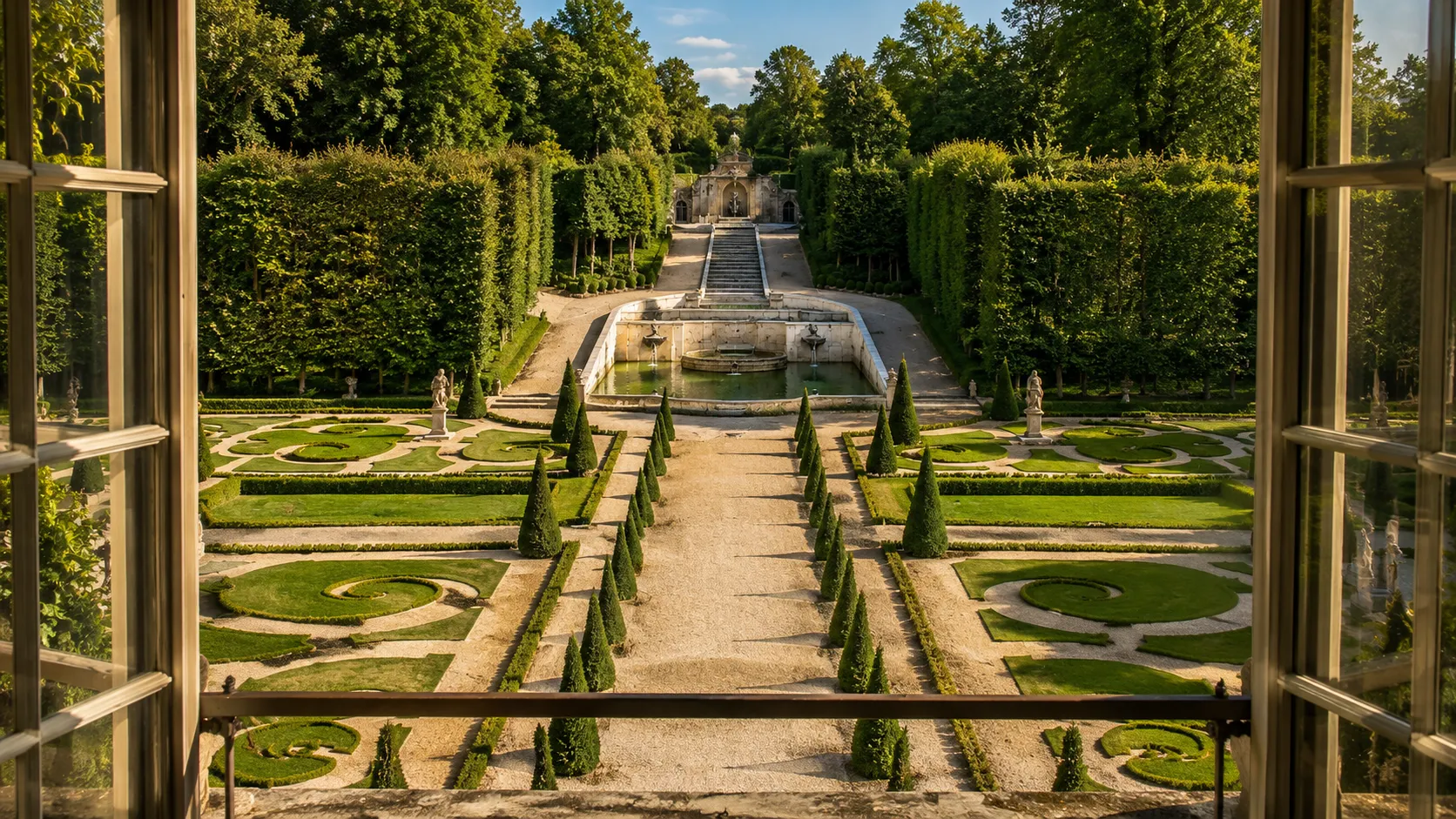 For centuries, castles symbolized power, legacy, and aristocratic prestige.
Today, a new generation of international investors, family offices, UHNWIs, entrepreneurs, and luxury hospitality operators is rediscovering French châteaux through an entirely new lens.
Far from being relics of the past, these exceptional historic estates are increasingly recognized as strategic assets positioned at the crossroads of luxury real estate, wellness real estate, luxury hospitality, luxury longevity, and experiential living.
As global wealth continues to shift toward investments that combine capital preservation, wealth diversification, emotional value, and lifestyle enhancement, the market for French castles is experiencing a remarkable renaissance.
In an era shaped by Slow Luxury, Neuro-Luxury, Luxury Longevity, and the growing demand for generational assets, these extraordinary properties offer what has become increasingly scarce in today's world:
Space. Privacy. Nature. Heritage. Exclusivity.
And perhaps most importantly for investors:
Long-term value creation, multiple revenue opportunities, and a unique combination of lifestyle and return on investment (ROI).
More than prestigious residences, French châteaux are emerging as one of Europe's most distinctive alternative luxury asset classes, capable of combining heritage preservation, hospitality potential, wellness-driven development, and sustainable wealth creation for future generations.
The New Luxury: Why Time Has Become More Valuable Than Possession
The Rise of Slow Luxury
For decades, luxury was defined by visibility, prime locations, and material abundance. Prestige was often measured in square meters, iconic addresses, and exclusive possessions.
Today, the definition of luxury is evolving.
The world's most affluent individuals increasingly seek what has become truly scarce in a hyperconnected world:
-
Time
-
Privacy
-
Silence
-
Authenticity
-
Nature
-
Emotional Well-Being
This shift is driving the rapid growth of Slow Luxury, one of the most influential trends reshaping the global luxury real estate market.
Rather than pursuing status through acquisition alone, high-net-worth and ultra-high-net-worth individuals are increasingly prioritizing meaningful experiences, personal well-being, and quality of life.
In this new landscape, French châteaux offer a unique value proposition.
Unlike ultra-prime urban residences, historic estates provide extensive private land, centuries-old parks, forests, vineyards, and an exceptional sense of privacy and exclusivity. They deliver something increasingly difficult to find in the world's leading luxury destinations: space, tranquility, and a genuine connection to nature.
As a result, historic castles are emerging as some of the most desirable luxury lifestyle assets in Europe, combining heritage, authenticity, and long-term value.
In many respects, the château has become the ultimate expression of Slow Luxury.
It is no longer simply a prestigious property.
It is a private sanctuary, a lifestyle investment, and a tangible response to the growing demand for luxury wellness, emotional real estate, and generational wealth preservation.
To better understand why French châteaux are benefiting from the rise of experiential living, wellness, and generational wealth preservation, read our in-depth analysis of the Slow Luxury movement and its growing influence on luxury real estate and hospitality.
Neuro-Luxury: When Historic Architecture Meets Modern Neuroscience
The Rise of Emotional Real Estate
Long before neuroscientists began studying the impact of nature on cognitive performance, stress reduction, and emotional well-being, the builders of Europe's great châteaux had already embraced many of the principles that define today's Neuro-Luxury movement.
Originally designed as places of refuge, contemplation, and prestige, French châteaux naturally embody the qualities increasingly sought by affluent buyers looking for more than traditional luxury real estate.
Today, Neuro-Luxury explores how the built environment influences mental health, emotional balance, creativity, productivity, and overall quality of life.
Historic estates offer many of the characteristics now associated with cognitive recovery and human well-being:
-
Low-density living environments
-
Abundant natural light
-
Extensive private green spaces
-
Reduced sensory overload
-
Strong connection to nature
-
Exceptional privacy and tranquility
A growing body of research suggests that such environments can contribute to lower stress levels, improved concentration, enhanced sleep quality, and greater emotional resilience—factors increasingly valued by entrepreneurs, executives, family offices, and ultra-high-net-worth individuals.
This shift is helping to create a new category within the luxury property sector: Emotional Real Estate.
In this emerging asset class, value is no longer determined solely by location, architectural significance, or scarcity. Increasingly, it is also measured by a property's ability to enhance well-being, support mental recovery, and provide a healthier lifestyle.
As demand for wellness real estate, luxury longevity, and experiential living continues to grow, historic châteaux are uniquely positioned to benefit from this transformation.
More than exceptional residences, they are becoming highly desirable wellness-oriented luxury assets, combining heritage, emotional value, lifestyle enhancement, and long-term wealth preservation in a way few modern developments can replicate.
For a deeper understanding of the forces transforming modern luxury, read our complete Neuro-Luxury analysis and discover how emotional intelligence, well-being, and neuroscience are influencing the next generation of luxury destinations and investments.
From Heritage Property to Experiential Asset
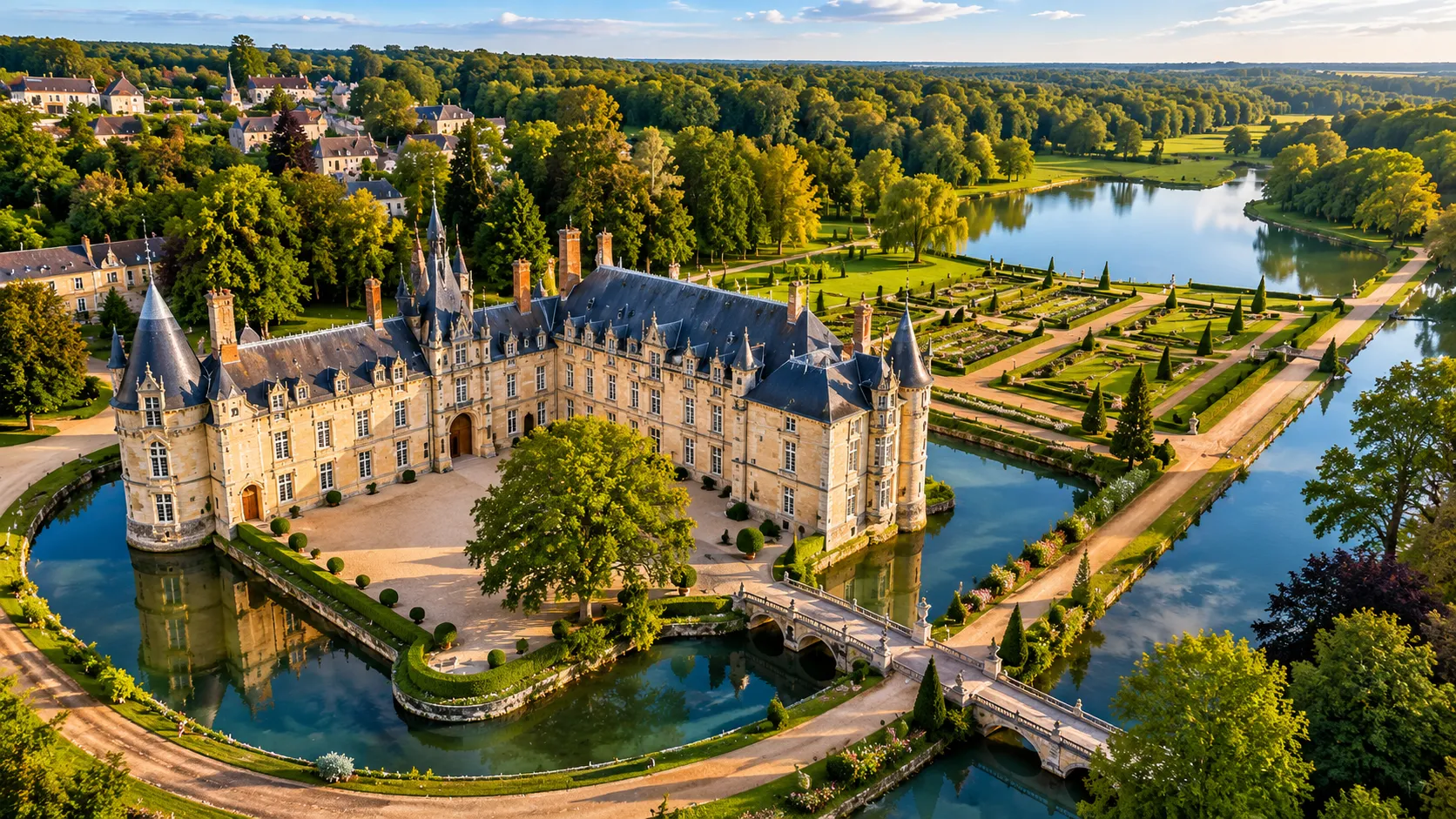 Luxury Boutique Hotels: When Heritage Becomes a Destination
One of the most successful repositioning strategies involves transforming historic estates into ultra-luxury boutique hotels, offering guests the rare opportunity to experience centuries of history while enjoying contemporary luxury standards.
Outstanding examples include Château Saint-Martin & Spa, Oetker Collection, perched above the French Riviera in Vence, where historic architecture, Michelin-starred gastronomy, wellness, and exceptional hospitality converge within a former Knights Templar estate.
Similarly, Château de Bagnols, located in the heart of the Beaujolais wine region, has become one of France's most iconic heritage hotels, successfully combining medieval architecture, luxury hospitality, gastronomy, and wine tourism.
Slow Luxury Resorts: The Luxury of Space, Time, and Nature
Among Europe's most compelling examples is Sublime Comporta in Portugal. Nestled among pine forests near the protected beaches of Comporta, the resort has become a benchmark for the Slow Luxury movement, offering an experience centered on privacy, wellness, gastronomy, and connection to nature.
In Switzerland, The Alpina Gstaad has emerged as one of Europe's leading examples of experiential luxury, combining world-class hospitality, award-winning wellness facilities, and an exceptional Alpine environment.
Wellness Real Estate and Luxury Longevity
The convergence between luxury hospitality, preventive health, and longevity is perhaps best illustrated by internationally renowned destinations such as Clinique La Prairie in Montreux and Chenot Palace Weggis in Switzerland, both recognized as pioneers in the rapidly expanding Luxury Longevity sector.
To explore how wellness, Slow Luxury, and lifestyle-driven investments are reshaping the priorities of UHNWIs worldwide, read our in-depth analysis of the trends defining luxury in 2026.
Prestigious Golf Estates: Heritage, Golf, and Lifestyle
In France, Château Golf des Sept Tours perfectly illustrates the growing appeal of heritage golf estates, where historic architecture, hospitality, golf, gastronomy, and experiential tourism converge within an exceptional natural environment.
Discover how private golf communities are becoming powerful hubs for luxury real estate investment, global networking, and the new era of Slow Luxury lifestyles.
Further Examples of Regenerative Luxury
Discover our curated selection of prestigious golf estates, Slow Luxury resorts, and exceptional properties located in some of the world's most sought-after destinations for international investors.
Discover the exceptional thermal spa of the Palace of the Grand Dukes of Tuscany, where history, elegance, and wellness come together in a truly unique setting.
Experience Selman Marrakech and its renowned Chenot Spa, a distinctive destination where heritage, regenerative luxury, and next-generation wellness converge in an extraordinary Moroccan setting.
Explore Orient Express La Minerva Rome, an iconic address where architectural heritage, contemporary luxury, and world-class hospitality unite within one of the Eternal City's most remarkable historic palaces.
Together, these exceptional destinations illustrate how luxury hospitality is evolving beyond accommodation to offer transformative experiences centered on well-being, longevity, authenticity, and the art of living.
Luxury Longevity: The Next Frontier of Wealth Preservation
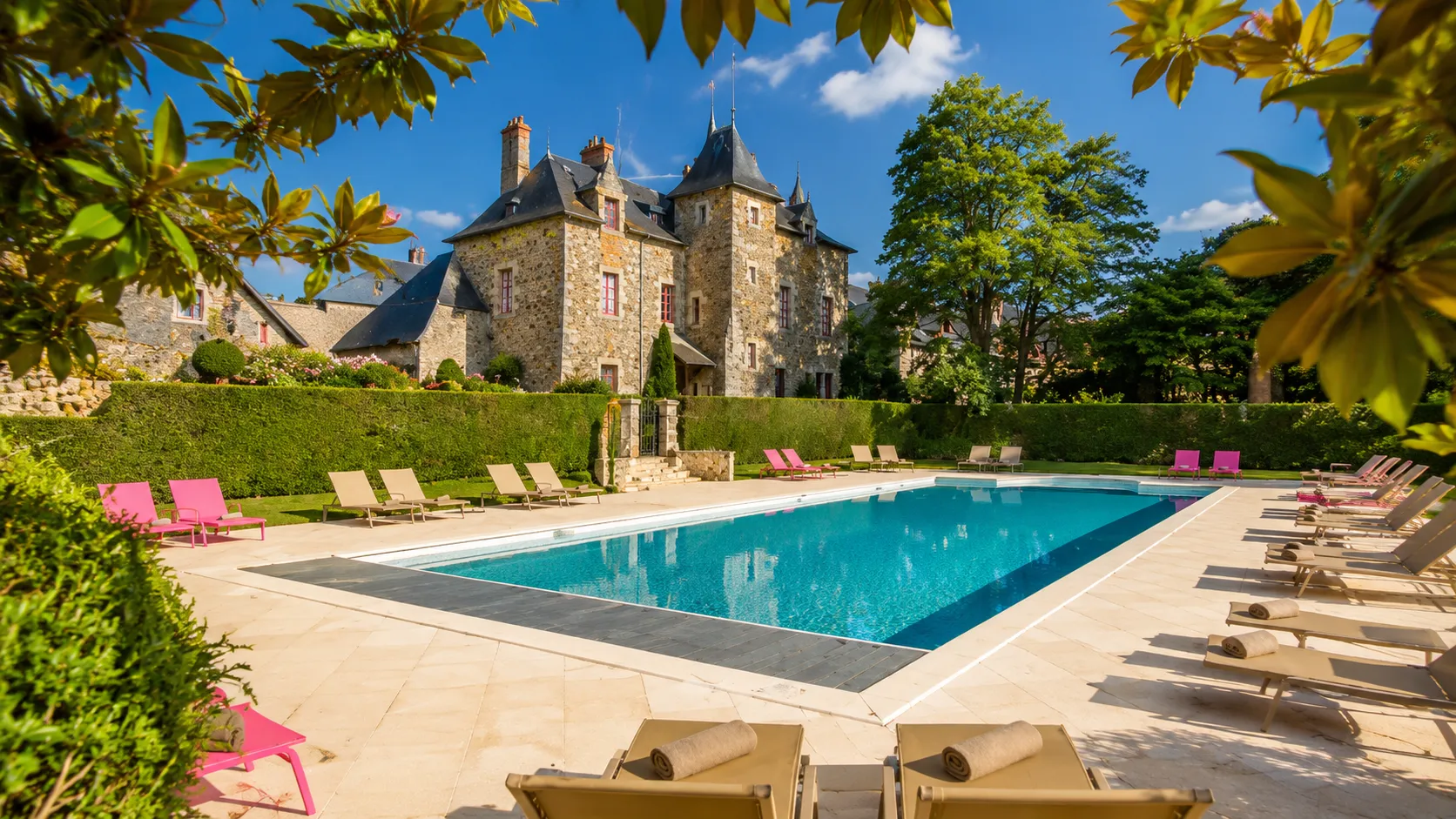 Why French Châteaux Are Perfectly Positioned for the Longevity Economy
Among the most transformative trends reshaping the global luxury industry, Luxury Longevity is emerging as one of the most powerful investment themes of the decade.
According to the Global Wellness Institute, the global wellness economy is projected to exceed $9 trillion by 2028, while the rapidly expanding Wellness Real Estate sector is expected to approach $900 billion, making it one of the fastest-growing segments within the global luxury property market.
These figures reflect a profound shift in priorities among high-net-worth individuals (HNWIs) and ultra-high-net-worth individuals (UHNWIs).
The objective is no longer limited to preserving wealth.
Increasingly, it is about preserving the very assets that wealth cannot easily replace:
Health. Vitality. Cognitive performance. Longevity. And quality of life.
As a result, affluent investors are directing substantial capital toward:
-
Preventive healthcare
-
Longevity programs
-
Cognitive optimization
-
Sleep performance
-
Stress reduction
-
Personalized wellness
-
Sustainable well-being
This evolution is creating unprecedented opportunities at the intersection of luxury real estate, wellness hospitality, and longevity-focused investment.
Why Historic Estates Hold a Unique Competitive Advantage
Few property types are better positioned to benefit from this shift than French châteaux and historic luxury estates.
Unlike conventional urban developments, castles offer a combination of attributes increasingly associated with physical and mental well-being:
✔ Extensive private land
✔ Protected natural environments
✔ Exceptional privacy
✔ Clean air and low-density living
✔ Architectural heritage
✔ Emotional connection to place
✔ Space for wellness and hospitality infrastructure
These characteristics create ideal conditions for the development of:
-
Luxury Longevity Retreats
-
Executive Wellness Programs
-
Preventive Health Centers
-
Digital Detox Experiences
-
Luxury Recovery Resorts
-
Wellness-Focused Hospitality Concepts
As demand for health-oriented luxury continues to accelerate, historic estates are becoming natural platforms for a new generation of experiential destinations.
The Rise of Regenerative Luxury Real Estate
The concept of luxury itself is evolving.
Increasingly, affluent consumers are prioritizing experiences that improve physical health, mental clarity, emotional resilience, and long-term performance.
This transformation has given rise to what many industry experts now describe as Regenerative Luxury—a model where real estate actively contributes to enhancing quality of life rather than simply providing accommodation.
Prestigious institutions such as Global Wellness Institute, alongside internationally recognized destinations including Clinique La Prairie and Chenot Palace Weggis, have helped position longevity, preventive health, and wellness as central pillars of the future luxury economy.
More Than Wealth Preservation: Life Preservation
For sophisticated investors, the emergence of Luxury Longevity represents more than a new market opportunity.
It signals a fundamental redefinition of value.
In this new paradigm, a château is no longer simply a historic property or a prestigious residence.
It becomes a generational asset, a wellness destination, and a platform capable of combining:
-
Capital preservation
-
Recurring revenue generation
-
Lifestyle enhancement
-
Health optimization
-
Long-term asset appreciation
-
Intergenerational wealth transmission
As the boundaries between luxury real estate, wellness hospitality, and longevity science continue to blur, French châteaux are uniquely positioned to become some of the most desirable and resilient luxury assets of the twenty-first century.
Explore an exclusive collection of exceptional French châteaux that have become internationally renowned destinations for luxury weddings, private events, exclusive retreats, and unforgettable experiences, embodying the timeless elegance of the French art de vivre.
Château de Villette: The Quintessence of French Refinement
Often referred to as the "Little Versailles," Château de Villette represents the pinnacle of French elegance, combining architectural grandeur, landscaped gardens, and centuries of heritage within an exceptional private estate.
A Fairytale Château in the Heart of the Loire Valley
Nestled in one of France's most celebrated regions, this enchanting château offers a unique blend of history, romance, and exclusivity, making it a sought-after destination for prestigious events, luxury hospitality, and refined countryside living.
A Château Surrounded by Endless Vineyards: Welcome to Château Hôtel Grand Barrail
Set amid the rolling vineyards of Saint-Émilion, Château Hôtel Grand Barrail embodies the perfect union of heritage, world-class hospitality, and the art of fine wine. This iconic estate offers guests an authentic immersion into one of France's most prestigious wine regions, where luxury, gastronomy, and exceptional terroir come together in perfect harmony.
Together, these remarkable properties illustrate why French châteaux continue to captivate discerning travelers, international investors, and lovers of heritage seeking experiences that combine prestige, authenticity, and timeless elegance.
Why Now? The Perfect Storm for Heritage Investments
According to Knight Frank's Wealth Report, lifestyle-oriented real assets, hospitality properties, and wellness-driven investments continue to attract growing interest from UHNWIs seeking diversification, resilience, and long-term value preservation.
Several powerful global trends are converging to create what may be one of the most favorable environments in decades for investing in French châteaux and historic luxury estates.
First, investors worldwide are increasingly seeking tangible assets capable of preserving wealth during periods of economic uncertainty, inflation, and market volatility. Unlike financial instruments, exceptional heritage properties combine intrinsic value, scarcity, and long-term resilience.
At the same time, the rapid rise of Slow Luxury, Wellness Real Estate, Luxury Longevity, and Experiential Hospitality is transforming the way affluent individuals define value. Increasingly, wealth is being directed toward assets that enhance quality of life while offering meaningful long-term investment potential.
Demographic trends are also playing a significant role. According to various wealth reports, the global population of high-net-worth individuals (HNWIs) and ultra-high-net-worth individuals (UHNWIs) continues to expand, creating growing demand for rare, experiential, and highly differentiated assets.
Meanwhile, the supply of authentic historic estates remains permanently limited.
No new 13th-century château can be built.
No centuries-old estate can be replicated.
This structural scarcity creates a powerful long-term advantage for existing heritage properties.
The hospitality sector further reinforces this trend. Luxury travelers increasingly favor authentic experiences, wellness retreats, private destinations, and immersive environments over standardized luxury offerings. Historic estates are uniquely positioned to meet these evolving expectations.
As a result, French châteaux now sit at the intersection of several of the world's most attractive investment themes:
✔ Luxury Real Estate
✔ Wellness Real Estate
✔ Luxury Hospitality
✔ Luxury Longevity
✔ Experiential Travel
✔ Generational Wealth Preservation
Few asset classes benefit simultaneously from so many long-term structural trends.
For investors with a strategic and multi-generational perspective, this convergence may represent a rare window of opportunity.
In many respects, the future of luxury is aligning perfectly with the timeless appeal of heritage.
Why France Remains the Global Leader in Historic Luxury Real Estate
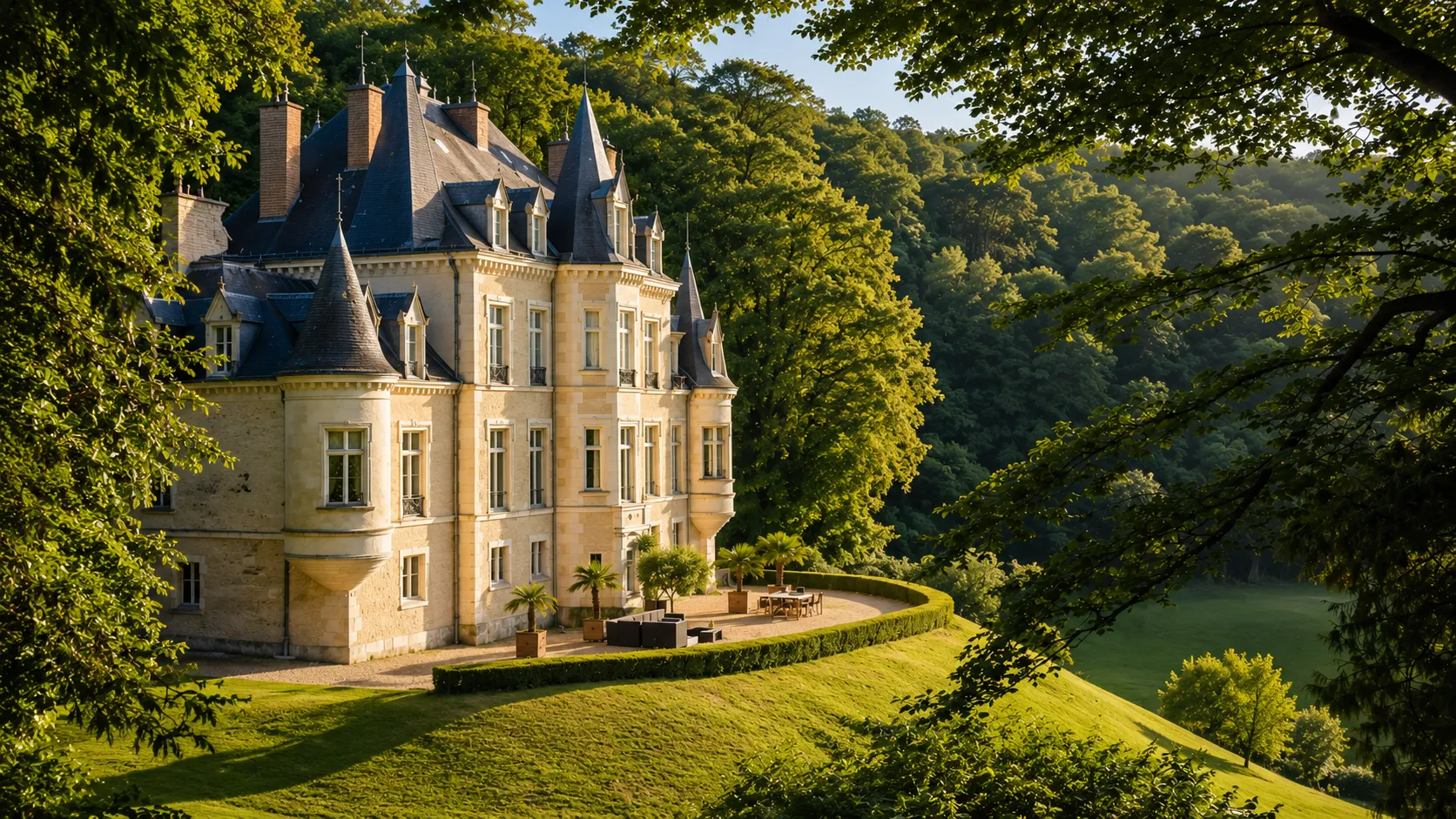 An Unmatched Heritage Market
With more than 45,000 castles, manor houses, and historic estates, France possesses one of the world's largest and most prestigious concentrations of architectural heritage.
No other country combines such a rich inventory of historic properties with global tourism appeal, cultural influence, and international prestige.
For investors seeking rare, tangible, and highly differentiated assets, this creates a unique market environment supported by powerful long-term fundamentals:
✔ Global brand recognition
✔ World-leading tourism industry
✔ Limited and irreplaceable supply
✔ Historical and cultural significance
✔ Strong emotional value
✔ Growing international demand
France remains the world's most visited country, welcoming approximately 100 million international visitors annually, reinforcing the attractiveness of iconic regions such as the Loire Valley, Provence, Burgundy, Bordeaux, Normandy, and the Paris region.
In an increasingly standardized luxury real estate market, French châteaux represent assets that are virtually impossible to replicate.
The Investment Case: ROI Beyond Traditional Luxury Real Estate
A Rare Combination of Lifestyle and Financial Performance
Unlike many luxury properties that depend primarily on capital appreciation, French châteaux offer multiple value-creation strategies simultaneously.
Their versatility allows investors to combine personal enjoyment with diversified revenue generation through:
-
Luxury hospitality
-
Boutique hotels
-
Destination weddings
-
Corporate retreats
-
Wellness and longevity programs
-
Golf tourism
-
Wine production and wine tourism
-
Private clubs and memberships
-
Exclusive events and experiences
This diversification can significantly enhance long-term return on investment (ROI) while reducing exposure to a single revenue source.
As demand continues to grow for experiential luxury, wellness real estate, and luxury hospitality, historic estates are increasingly positioned as multi-dimensional income-producing assets.
Relative Undervaluation Creates Opportunity
Perhaps the most compelling aspect of the French château market is valuation.
While ultra-prime apartments in global cities such as London, New York, Geneva, Dubai, Monaco, and Paris frequently achieve values exceeding €25,000 to €80,000 per square meter, many French castles still offer:
-
Thousands of square meters of built space
-
Extensive private landholdings
-
Historic significance
-
Hospitality and event potential
-
Development opportunities
Often at acquisition prices comparable to a luxury villa on the French Riviera or a penthouse in a major international city.
In some cases, investors acquire estates encompassing dozens or even hundreds of hectares for less than the price of a prime urban residence.
For long-term investors, this valuation gap represents one of the most overlooked opportunities within the European luxury property market.
An Asset Class Aligned with Emerging Luxury Trends
The growing popularity of Slow Luxury, Luxury Longevity, Wellness Real Estate, and Experiential Hospitality is creating new opportunities for historic estates.
As affluent consumers increasingly prioritize health, privacy, nature, and authenticity, châteaux are uniquely positioned to capture demand from multiple luxury sectors simultaneously.
Few assets combine:
-
Heritage
-
Lifestyle
-
Hospitality
-
Wellness
-
Tourism
-
Land ownership
-
Wealth preservation
within a single investment.
Why Family Offices Are Paying Attention
The Rise of Generational Assets
Across Europe, North America, the Middle East, and Asia, family offices are increasingly allocating capital toward assets capable of preserving wealth while creating long-term family value.
The most sophisticated investors are no longer focused solely on financial performance.
They seek investments that combine:
✔ Capital preservation
✔ Legacy creation
✔ Portfolio diversification
✔ Lifestyle enhancement
✔ Recurring revenue generation
✔ Intergenerational wealth transfer
Very few asset classes satisfy all six criteria simultaneously.
Historic estates are among the rare exceptions.
A château is not merely a luxury property.
It becomes a family legacy, a strategic asset, and a long-term wealth preservation vehicle capable of generating both emotional and financial returns across generations.
The Ultimate Generational Asset
In an era characterized by financial volatility, inflation concerns, and increasing demand for tangible assets, French châteaux occupy a unique position.
They combine:
-
Scarcity
-
Historical significance
-
International prestige
-
Lifestyle value
-
Multiple revenue streams
-
Long-term appreciation potential
For family offices, entrepreneurs, and ultra-high-net-worth individuals, this combination explains why historic estates are increasingly viewed not simply as real estate investments, but as one of the most distinctive generational asset classes available in Europe today.
Discover on Luxury World For You one of the most prestigious collections of exceptional French châteaux, timeless symbols of heritage, elegance, and the French art de vivre, offered to a discerning international clientele seeking rare and remarkable assets.
The Last Templar Castle of the French Riviera
A unique historic estate and witness to more than eight centuries of history, where medieval heritage, prestige, and exceptional investment potential converge on one of Europe's most desirable coastlines.
A 13th-Century Château Set Within 270 Hectares of Private Parkland
Located just 45 minutes from Paris, this extraordinary estate combines historic grandeur, absolute privacy, and significant hospitality and lifestyle opportunities within a preserved natural environment.
An Exceptional Château in the Heart of the Loire Valley
Surrounded by nature and steeped in history, this remarkable property embodies the elegance, authenticity, and refined lifestyle that have made the Loire Valley one of France's most celebrated heritage destinations.
An Extraordinary Château at the Gateway to Geneva
Accessible in just nine minutes by helicopter from Geneva, this prestigious estate offers a rare combination of international accessibility, privacy, architectural heritage, and long-term investment appeal.
These remarkable properties exemplify the growing attraction of French châteaux as generational assets, combining heritage preservation, lifestyle enhancement, and long-term wealth creation within some of Europe's most sought-after locations.
Common Myths About Investing in French Châteaux
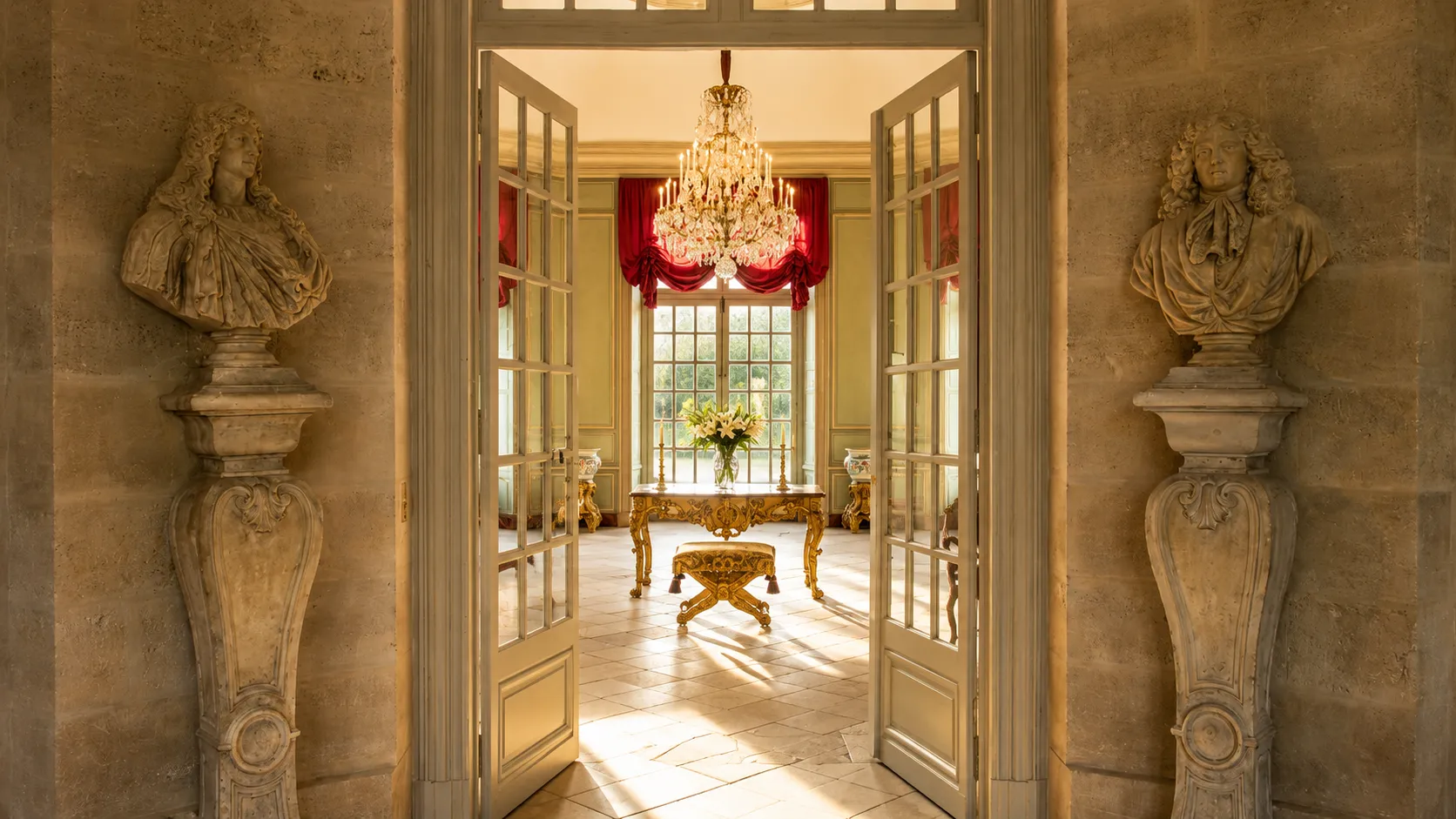 Separating Perception from Reality
Despite growing interest from international investors, family offices, and entrepreneurs, several misconceptions continue to surround the French château market.
The reality is often very different.
As demand rises for historic estates, luxury hospitality assets, and generational investments, many of these assumptions no longer reflect today's market conditions.
Myth #1: "Only Billionaires Can Afford a Château"
Not necessarily.
While some landmark estates command prices exceeding €20 million or €50 million, a significant number of exceptional French châteaux remain available between €3 million and €10 million.
In many cases, these properties offer:
-
Thousands of square meters of living space
-
Extensive private grounds
-
Historic architecture
-
Hospitality and event potential
-
Significant development opportunities
Often at acquisition prices comparable to a luxury villa on the French Riviera, a chalet in the Swiss Alps, or an ultra-prime apartment in Paris, London, Geneva, or Dubai.
For international investors seeking rare and tangible assets, the French château market remains one of the most accessible segments of the global luxury real estate market.
Myth #2: "Maintenance Costs Make Ownership Impossible"
Maintenance is certainly an important consideration, but it is increasingly offset by revenue-generating opportunities.
Many château owners successfully operate diversified business models that include:
-
Luxury hospitality
-
Destination weddings
-
Corporate retreats
-
Wellness and longevity programs
-
Wine tourism
-
Golf experiences
-
Private events
-
Exclusive memberships
These activities can generate substantial recurring income while simultaneously enhancing the property's value and long-term attractiveness.
For many investors, a château is no longer a passive expense but an active asset capable of producing sustainable returns.
Myth #3: "Castles Are Lifestyle Purchases, Not Investments"
Increasingly, they are both.
The most successful château projects combine heritage preservation, luxury hospitality, wellness real estate, and diversified revenue streams within a single asset.
As demand continues to grow for experiential luxury, Luxury Longevity, and Slow Luxury destinations, historic estates are attracting a broader range of investors seeking both lifestyle enhancement and financial performance.
Unlike many traditional luxury properties, châteaux can generate value through multiple channels simultaneously while benefiting from long-term scarcity and historical significance.
Myth #4: "Historic Estates Are Obsolete in the Modern Luxury Market"
In reality, the opposite is happening.
As luxury consumers increasingly prioritize authenticity, privacy, wellness, sustainability, and meaningful experiences, historic estates are becoming more relevant than ever.
Their combination of:
✔ Heritage
✔ Exclusivity
✔ Nature
✔ Wellness potential
✔ Emotional value
✔ Wealth preservation
aligns perfectly with the major trends currently reshaping the global luxury industry.
The Reality: A Distinctive Luxury Asset Class
Far from being outdated symbols of the past, French châteaux are increasingly emerging as one of Europe's most distinctive alternative luxury asset classes.
For investors, entrepreneurs, and family offices, they offer a rare combination of:
-
Capital preservation
-
Lifestyle enhancement
-
Revenue generation
-
Portfolio diversification
-
Long-term appreciation
-
Intergenerational wealth transfer
In an increasingly standardized luxury market, that combination is becoming exceptionally difficult to find elsewhere.
As interest in French château investments continues to grow among international buyers, family offices, and hospitality operators, several key questions arise.
FAQ: Investing in a French Château
Is buying a château in France a good investment?
For many international investors, a French château represents far more than a luxury property. It combines heritage value, capital preservation, potential appreciation, and multiple income-generating opportunities through hospitality, events, wellness, wine tourism, or private retreats.
How much does a château in France cost?
The French château market is surprisingly diverse. While some landmark estates exceed €20 million, many exceptional properties are available between €3 million and €10 million, often offering extensive land, historic architecture, and development potential at valuations comparable to luxury villas or urban penthouses.
Can foreigners buy a château in France?
Yes. France imposes no restrictions on foreign buyers purchasing residential or commercial real estate. International investors, family offices, and private individuals can acquire French castles under the same ownership rules as French nationals.
Are French châteaux undervalued?
Many experts believe that certain historic estates in France remain relatively undervalued compared to their rarity, land holdings, architectural significance, and hospitality potential. This valuation gap continues to attract investors seeking long-term opportunities within the European luxury property market.
What are the best uses for a château today?
Modern châteaux can serve multiple purposes, including:
-
Private residences
-
Luxury boutique hotels
-
Wedding and event venues
-
Wellness and longevity retreats
-
Golf and lifestyle destinations
-
Wine estates
-
Family office retreats
-
Private clubs and members-only experiences
Their versatility is one of their greatest investment advantages.
Can a château generate income?
Yes. Many château owners generate revenue through luxury hospitality, destination weddings, corporate retreats, wellness programs, exclusive events, wine production, seasonal rentals, and experiential tourism. Diversified revenue streams can significantly improve long-term return on investment.
How expensive is château maintenance?
Maintenance costs vary depending on the size, condition, and historical classification of the property. However, many owners offset operational expenses through commercial activities, making the château a productive asset rather than a purely lifestyle purchase.
Why are family offices investing in historic estates?
Family offices increasingly seek generational assets that combine wealth preservation, diversification, lifestyle value, legacy creation, and long-term appreciation. Historic estates offer a unique combination of these characteristics within a single asset class.
What makes French châteaux different from other luxury real estate investments?
Unlike traditional luxury properties, French châteaux combine architectural heritage, significant land ownership, hospitality potential, emotional value, and scarcity. Their uniqueness makes them difficult to replicate and highly attractive to international buyers seeking distinctive assets.
What regions are most popular for château investment in France?
The most sought-after regions include:
-
The Loire Valley
-
Provence
-
Bordeaux and Saint-Émilion
-
Burgundy
-
Normandy
-
The French Riviera
-
The Paris region
These areas benefit from strong tourism demand, international recognition, and long-term investment appeal.
Are châteaux suitable for Luxury Longevity and Wellness Real Estate projects?
Absolutely. Historic estates provide privacy, nature, extensive grounds, and an emotional connection to place, making them ideal for wellness resorts, longevity retreats, preventive health programs, and regenerative luxury hospitality concepts.
Why is France considered the world's leading château market?
France is home to more than 45,000 castles, manor houses, and historic estates, making it the largest and most diverse heritage property market in the world. Combined with its tourism appeal, cultural influence, and global prestige, this creates a unique investment environment for luxury real estate investors.
The Future of Luxury May Look Surprisingly Ancient
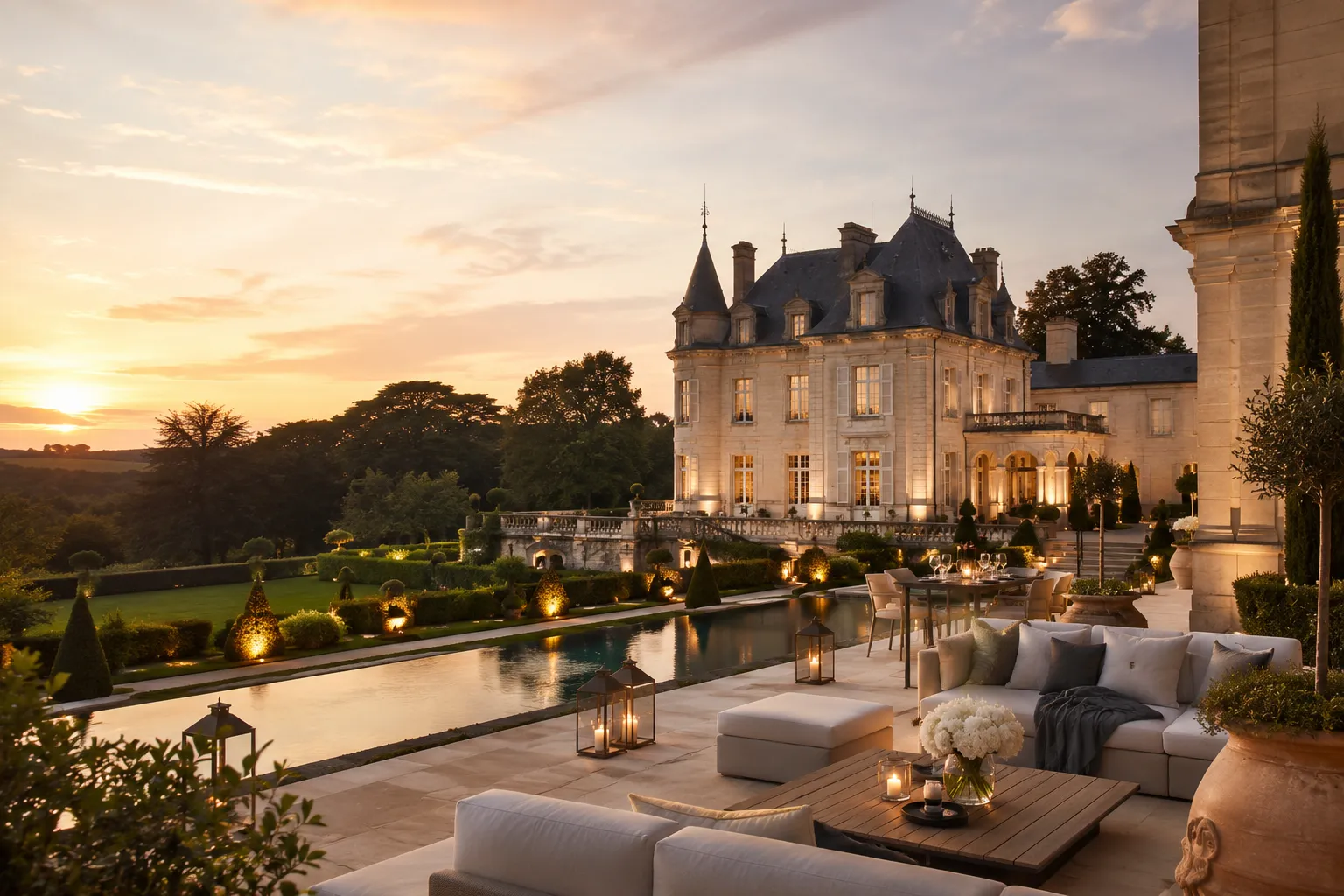 The global luxury industry is undergoing one of the most significant transformations in its history.
Across real estate, hospitality, wellness, and travel, the very definition of luxury is evolving.
Possession is giving way to experience.
Visibility is giving way to privacy.
Consumption is giving way to meaning.
For a growing number of entrepreneurs, family offices, and ultra-high-net-worth individuals, true luxury is no longer measured by accumulation, but by access to what has become genuinely scarce:
Time. Space. Nature. Authenticity. Well-being.
In this new landscape, French châteaux occupy a unique position.
Few investments combine such a powerful blend of heritage, prestige, land ownership, emotional value, hospitality potential, and long-term resilience.
While many luxury products and properties are becoming increasingly standardized, historic estates remain fundamentally unique.
They cannot be replicated.
They cannot be mass-produced.
And with each passing year, their rarity only increases.
For investors seeking a combination of lifestyle enhancement, portfolio diversification, and long-term value creation, French châteaux may represent one of the most compelling opportunities in today's global luxury property market.
In an age defined by speed, perhaps the most valuable assets are those that have already stood the test of time.
Conclusion: More Than Real Estate, A Legacy Asset
The château is no longer a monument to the past.
It has become a platform for Regenerative Luxury, Luxury Hospitality, Wellness Real Estate, Luxury Longevity, and Generational Wealth Creation.
It is simultaneously a residence, a hospitality asset, a wellness destination, an investment vehicle, and a family legacy.
As global wealth increasingly gravitates toward tangible, scarce, and emotionally meaningful assets, historic estates are emerging as one of the most resilient segments of the luxury property market.
For family offices, entrepreneurs, and ultra-high-net-worth individuals, the appeal extends far beyond financial performance.
A château offers something increasingly rare in the modern world:
A sense of permanence.
A connection to history.
A place to preserve, enjoy, and transmit across generations.
Ultimately, the future of luxury may not belong to those who own the most.
It may belong to those who own something truly irreplaceable.
And few assets embody that idea better than a historic French château.
Discover Exceptional French Châteaux
Explore an exclusive collection of remarkable French châteaux available through Luxury World For You—from historic Templar castles and prestigious Loire Valley estates to private domains near Paris and Geneva.
These extraordinary properties represent more than luxury real estate.
They are rare generational assets where heritage, lifestyle, prestige, and long-term value creation converge.
For investors seeking a rare combination of heritage, lifestyle, hospitality potential, and long-term value creation, French châteaux remain among Europe's most distinctive luxury real estate opportunities.
Because the greatest luxury is not simply ownership.
It is the ability to preserve a legacy.
Further Reading
Explore our analyses of the trends redefining luxury lifestyles, experiential real estate, wellness-driven investments, and generational wealth creation:
- Slow Luxury: The New Definition of Contemporary Luxury
- Neuro-Luxury: When Neuroscience Meets Lifestyle and Well-Being
- Wellness & Slow Luxury 2026: Emerging Trends, Strategic Investments and UHNW Lifestyles
- Private Golf & Slow Luxury: Luxury Real Estate, Global Networking and Wealth Preservation
- Mauritius or Marbella: Where to Invest in Luxury Real Estate in 2026?


