
The Return of Tangible Assets: Why the World's Wealthiest Investors Are Rediscovering Real Assets and Luxury Investments

In a world increasingly shaped by artificial intelligence, digital assets, and financial markets, many of the world's wealthiest investors are rediscovering the value of tangible assets. Historic castles, prestigious vineyards, fine art, luxury real estate, and exceptional private estates are emerging as some of the most sought-after luxury investments, combining rarity, resilience, wealth preservation, and intergenerational legacy. Beyond their financial potential, these assets offer something increasingly scarce in the digital age: authenticity, emotional value, and a deep connection to history, culture, and place. As global wealth becomes more virtual, a powerful trend is emerging: the return of real assets to the center of sophisticated wealth management strategies. And while the world continues to build its wealth in the digital realm, its prestige is still written in stone.
From the Digital Age to the Return of Real Value
 For more than two decades, global wealth creation has been dominated by technology, financial markets, private equity, and intangible assets. The rise of Silicon Valley giants, venture capital, public equities, and more recently cryptocurrencies and digital assets has transformed how wealth is built, managed, and multiplied.
Yet a notable shift is taking place among the world's most sophisticated investors.
Family offices, ultra-high-net-worth individuals (UHNWIs), and institutional investors are increasingly reallocating part of their portfolios toward tangible assets and luxury investments. Historic estates, vineyards, luxury hospitality assets, fine art, sport horses, agricultural land, forests, and private domains are once again attracting significant capital.
This movement is not a rejection of innovation or financial markets. Rather, it reflects a new definition of value.
In an era marked by technological acceleration, geopolitical uncertainty, inflationary pressures, and market volatility, investors are placing greater importance on rarity, authenticity, utility, and long-term wealth preservation.
The trend also mirrors the evolution of the luxury sector itself. Concepts such as Slow Luxury, Luxury Longevity, Wellness Real Estate, and experiential investing are redefining what affluent buyers and investors seek from their assets.
As explored in our analysis of Slow Luxury, today's most affluent investors are no longer measuring success solely through financial returns. They are increasingly seeking rarity, authenticity, well-being, and assets capable of creating value, meaning, and legacy across generations.
Today, the most successful investors are no longer pursuing returns alone.
They are seeking stability, meaning, quality of life, emotional value, and the ability to preserve wealth across generations.
As the world becomes increasingly digital, a compelling paradox is emerging:
the more virtual wealth becomes, the more valuable tangible assets appear.
From historic estates and luxury real estate to vineyards, fine art, sport horses, and private domains, tangible assets are increasingly becoming a cornerstone of modern wealth management strategies. Their growing appeal reflects a broader shift toward investments capable of combining financial performance, lifestyle value, and long-term legacy.
Why Tangible Assets Are Attracting Wealthy Investors Again
Stability in an Uncertain World
Recent economic disruptions, geopolitical tensions, inflationary pressures, and market volatility have reinforced a fundamental reality: tangible assets possess an intrinsic value that extends beyond financial markets.
Unlike stocks, cryptocurrencies, or technology valuations, a vineyard, a historic château, agricultural land, or a private estate exists independently of investor sentiment and market speculation. Their value is rooted in scarcity, utility, and long-term relevance.
For family offices, ultra-high-net-worth individuals (UHNWIs), and institutional investors focused on wealth preservation, tangible assets offer a compelling combination of financial resilience and long-term security.
Recent research supports this shift. According to the 2025 Capgemini World Wealth Report, global high-net-worth individuals continue to increase their allocation to alternative investments and real assets as part of broader diversification strategies. Meanwhile, Knight Frank's Wealth Report highlights sustained demand for luxury real estate, farmland, vineyards, and collectible assets among wealthy investors worldwide.
Tangible assets can provide:
-
Capital preservation
-
Inflation protection
-
Portfolio diversification
-
Long-term resilience
-
Intergenerational wealth transfer
The attraction is also supported by long-term performance data. According to Savills, prime agricultural land values have significantly outperformed inflation over the past two decades in several mature markets, while Knight Frank's Luxury Investment Index reported a cumulative growth of more than 125% over the last decade across selected collectible luxury assets, including art, wine, rare watches, and classic cars.
In an increasingly unpredictable world, real assets are no longer viewed merely as alternative investments. They are becoming strategic pillars of sophisticated wealth management strategies, offering both stability and the ability to preserve value across economic cycles.
This growing preference for tangible assets reflects a broader shift in investor priorities: from maximizing short-term returns to building resilient portfolios capable of protecting wealth, preserving legacy, and creating enduring value for future generations.
Rarity Becomes the New Gold
In the world of luxury investments, rarity has become one of the most powerful drivers of long-term value.
Unlike financial assets that can be replicated, issued, or diluted, truly exceptional tangible assets are inherently finite. A Renaissance château near Paris, a centuries-old vineyard in Tuscany, a private island, or a waterfront estate on the French Riviera cannot be reproduced. Their uniqueness is precisely what makes them valuable.
This principle of scarcity is attracting increasing attention from family offices, ultra-high-net-worth individuals (UHNWIs), and global investors seeking assets capable of preserving value across generations.
According to the Knight Frank Wealth Report, prime luxury real estate continues to attract international capital despite economic uncertainty, largely because the supply of exceptional properties remains structurally limited. Similarly, prestigious wine estates, historic properties, and landmark assets derive much of their value from their rarity and irreplaceable character.
As global wealth continues to grow, the number of buyers competing for the world's most exceptional assets is increasing far faster than the available supply. This imbalance creates a powerful long-term dynamic that supports both wealth preservation and capital appreciation.
In today's market, exclusivity is no longer merely a symbol of prestige.
It has become an investment strategy.
For many of the world's most sophisticated investors, scarcity itself has emerged as a form of protection against uncertainty — transforming exceptional assets into some of the most sought-after stores of value in the modern economy.
Beyond Financial Performance
The world's wealthiest investors are increasingly evaluating assets through a broader lens.
While financial returns remain important, they are no longer the sole measure of value. Today, a truly exceptional asset is expected to combine heritage value, lifestyle enhancement, emotional well-being, cultural significance, and family legacy alongside financial performance.
This evolution reflects a profound transformation in how wealth is perceived and managed. Today, more than 8,000 family offices worldwide oversee an estimated $6 trillion in assets, increasingly prioritizing investments that combine financial resilience with long-term legacy objectives and meaningful ownership experiences.
The rise of the wellness economy is accelerating this shift. According to the Global Wellness Institute, the sector was valued at approximately $6.3 trillion in 2023 and is projected to surpass $9 trillion by 2028. As a result, investors are placing greater emphasis on assets that contribute not only to wealth creation, but also to quality of life, well-being, and personal fulfillment.
This changing mindset is driving growing demand for luxury investments such as historic estates, vineyards, fine art collections, sport horses, private islands, and large natural domains. These assets offer something increasingly difficult to find in traditional financial markets: a unique combination of economic value, emotional return, cultural relevance, and intergenerational legacy.
The appeal extends beyond real estate. According to Knight Frank's Luxury Investment Index, selected collectible assets—including fine art, rare wine, luxury watches, and classic cars—have delivered cumulative growth of more than 125% over the past decade, highlighting the enduring attractiveness of rare and tangible assets.
For many of today's most sophisticated investors, the most valuable assets are no longer those that generate the highest short-term returns, but those capable of preserving wealth, enhancing quality of life, and creating a legacy that can endure for generations.
A New Map of Luxury Investments
The Rise of Alternative Tangible Assets
The return to tangible assets extends far beyond traditional luxury real estate.
Across the world, family offices, entrepreneurs, and ultra-high-net-worth individuals are redefining what constitutes a valuable asset. As global wealth becomes increasingly digital, investors are allocating greater portions of their portfolios to assets rooted in the physical world—assets capable of combining scarcity, utility, resilience, and long-term legacy.
This new generation of luxury investments spans a remarkably diverse landscape: historic castles, prestigious vineyards, private estates, agricultural land, forests, fine art collections, sport horses, and lifestyle-driven hospitality assets.
Although these investments belong to different sectors, they share a common foundation.
First, rarity creates value. Unlike financial products that can be replicated, exceptional real assets are inherently limited. Their scarcity often strengthens their ability to preserve and appreciate value over time.
Second, utility enhances attractiveness. Many tangible assets generate economic returns while simultaneously providing lifestyle, hospitality, agricultural, recreational, or experiential benefits.
Third, resilience has become increasingly important in an era of inflation, geopolitical uncertainty, and market volatility. Real assets possess an enduring relevance that often extends beyond economic cycles.
Finally, legacy has emerged as a defining investment criterion for many wealthy families. Unlike most financial instruments, exceptional tangible assets can be preserved, enjoyed, and transferred across generations, creating both financial continuity and family identity.
This evolution reflects a broader shift in wealth management: investors are no longer seeking assets that simply generate returns. They are increasingly seeking assets capable of preserving wealth, enriching lifestyles, and creating lasting value over time.
From vineyards and historic estates to private domains and equestrian assets, tangible investments are becoming some of the most sought-after components of modern luxury portfolios.
Castles: Where Heritage, Prestige, and Legacy Converge
 A New Asset Class for Global Investors
At the intersection of Slow Luxury, Wellness Real Estate, and Luxury Longevity—trends explored in our analyses of
Slow Luxury and Neuro-Luxury—historic estates are emerging as one of the most compelling categories of tangible assets for today's sophisticated investors.
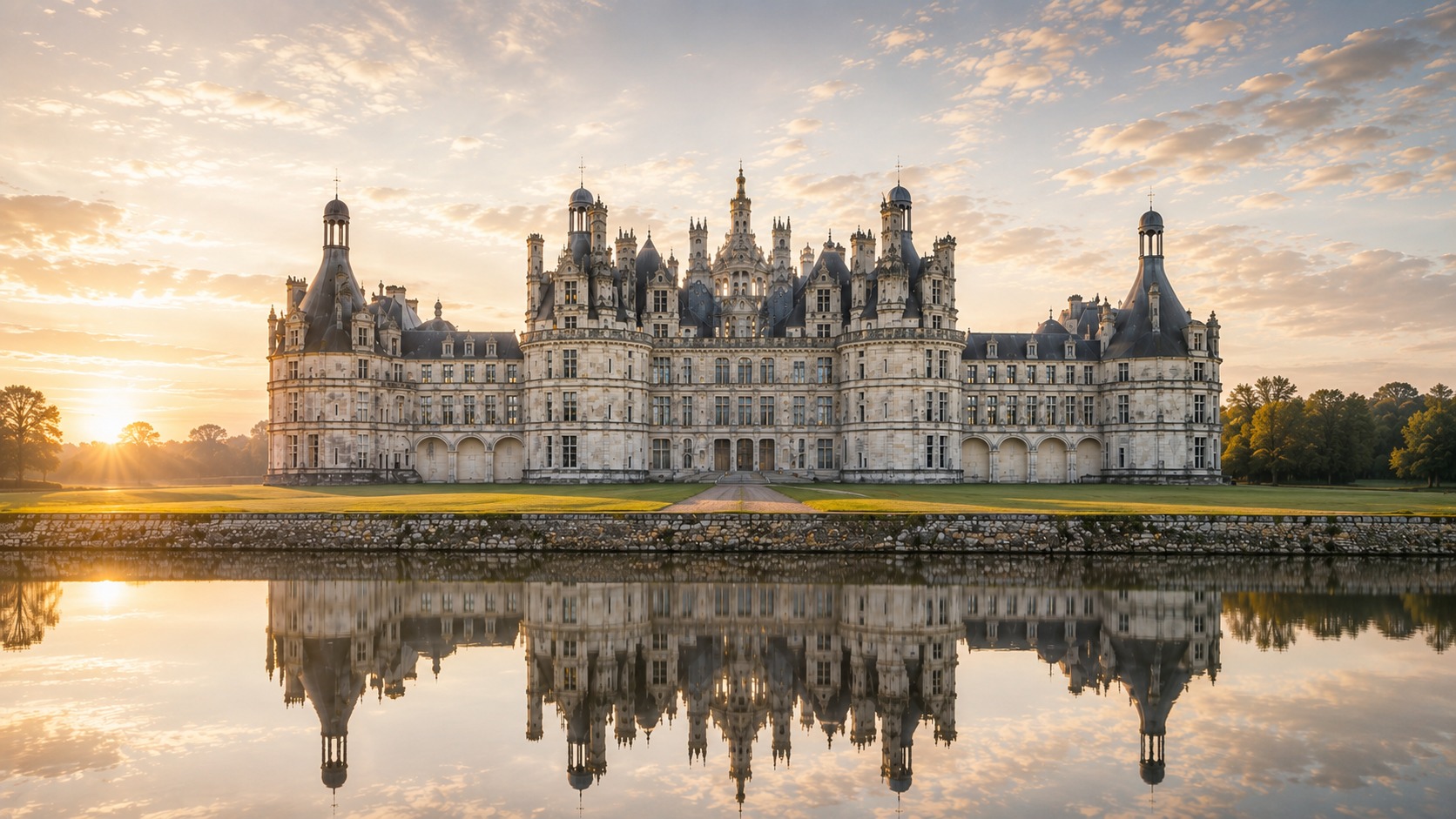
Far more than prestigious residences, castles and historic domains are increasingly viewed as strategic luxury investments, capable of combining lifestyle, hospitality, wealth preservation, and intergenerational legacy within a single asset.
This evolution reflects a broader shift in investor priorities. As wealth becomes increasingly digital, many of the world's most sophisticated investors are turning toward assets rooted in history, culture, and place. Historic estates offer a rare combination of scarcity, prestige, lifestyle value, and long-term wealth preservation—qualities that few modern assets can replicate.
In an era where exclusivity is increasingly defined by authenticity rather than excess, castles and heritage properties have emerged as some of the most distinctive assets within the luxury investment landscape.
As a result, the château is no longer merely a symbol of prestige or an exceptional second home. It is evolving into a platform for experiences, hospitality, and value creation—bringing together heritage, luxury tourism, wellness, gastronomy, and lifestyle within a single investment.
As highlighted in our article The Castles of the 21st Century, historic estates are increasingly being repositioned as multi-dimensional assets capable of generating both economic and experiential returns.
Leading examples illustrate this transformation. Properties such as Château Saint-Martin & a Spa on the French Riviera and Château de Bagnols in the Beaujolais region demonstrate how heritage, wellness, gastronomy, luxury hospitality, and cultural prestige can successfully coexist within a single property.
Beyond France, iconic destinations such as Ashford Castle in Ireland showcase how historic estates can be transformed into world-class hospitality and lifestyle destinations while preserving their architectural and cultural legacy.
These examples reflect the emergence of a new generation of luxury investments capable of creating economic value, heritage value, and emotional value simultaneously. For international investors, family offices, and ultra-high-net-worth individuals, historic estates are no longer simply trophies of wealth—they are strategic assets that combine prestige, purpose, resilience, and long-term legacy.
Heritage, Prestige, and Tangible Assets: The New Pursuit of Global Wealth
When Prestige Outperforms Wealth
One of the most fascinating paradoxes of our time is that the more wealth becomes digital, the more valuable tangible assets become.
Financial markets, artificial intelligence, and emerging technologies are creating unprecedented fortunes at remarkable speed. Yet when the world's most influential leaders, entrepreneurs, and investors seek places that embody power, continuity, and cultural influence, they do not turn to virtual worlds.
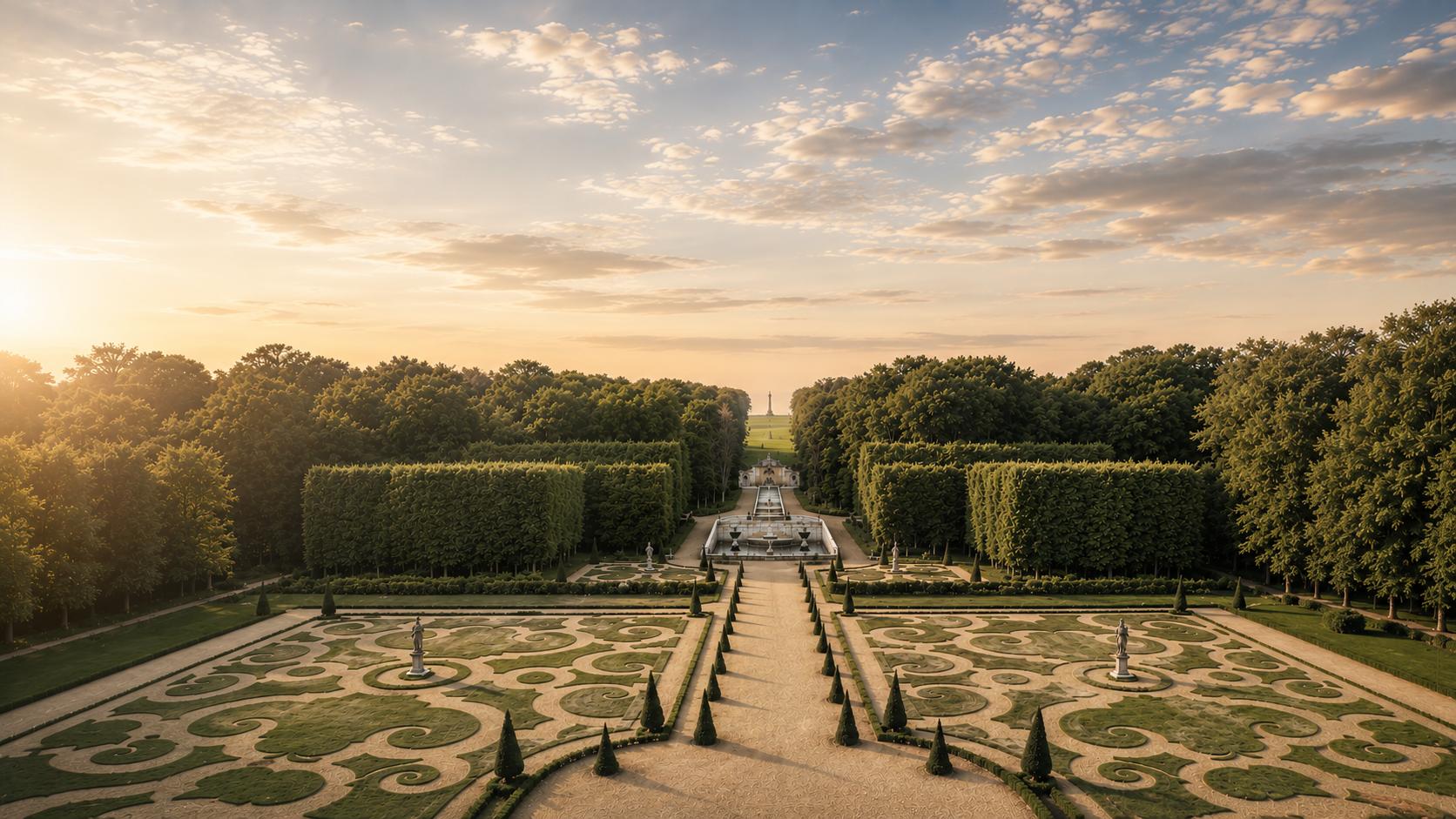
They gather in places like Palace of Versailles.
Versailles is more than a monument. It is an exceptional heritage asset—a symbol of continuity, cultural power, and enduring influence. It demonstrates that certain tangible assets possess a value that extends far beyond their economic worth.
In a world increasingly shaped by algorithms, digital platforms, and intangible wealth, the rarest assets continue to command a unique fascination. They offer something that technology cannot replicate: history, emotion, authenticity, and legitimacy forged over centuries.
This helps explain why sophisticated investors, family offices, and ultra-high-net-worth individuals are once again showing strong interest in historic castles, prestigious estates, exceptional vineyards, museum-quality art collections, and landmark luxury real estate.
These assets are no longer viewed solely as luxury investments.
They have become instruments of wealth preservation, intergenerational legacy, portfolio diversification, and even cultural influence.
At the highest levels of wealth, ultimate rarity is not virtual.
It is real.
And while the world continues to build its fortunes in the digital realm, its prestige is still written in stone.
Neuro-Luxury: When Heritage Becomes an Experience
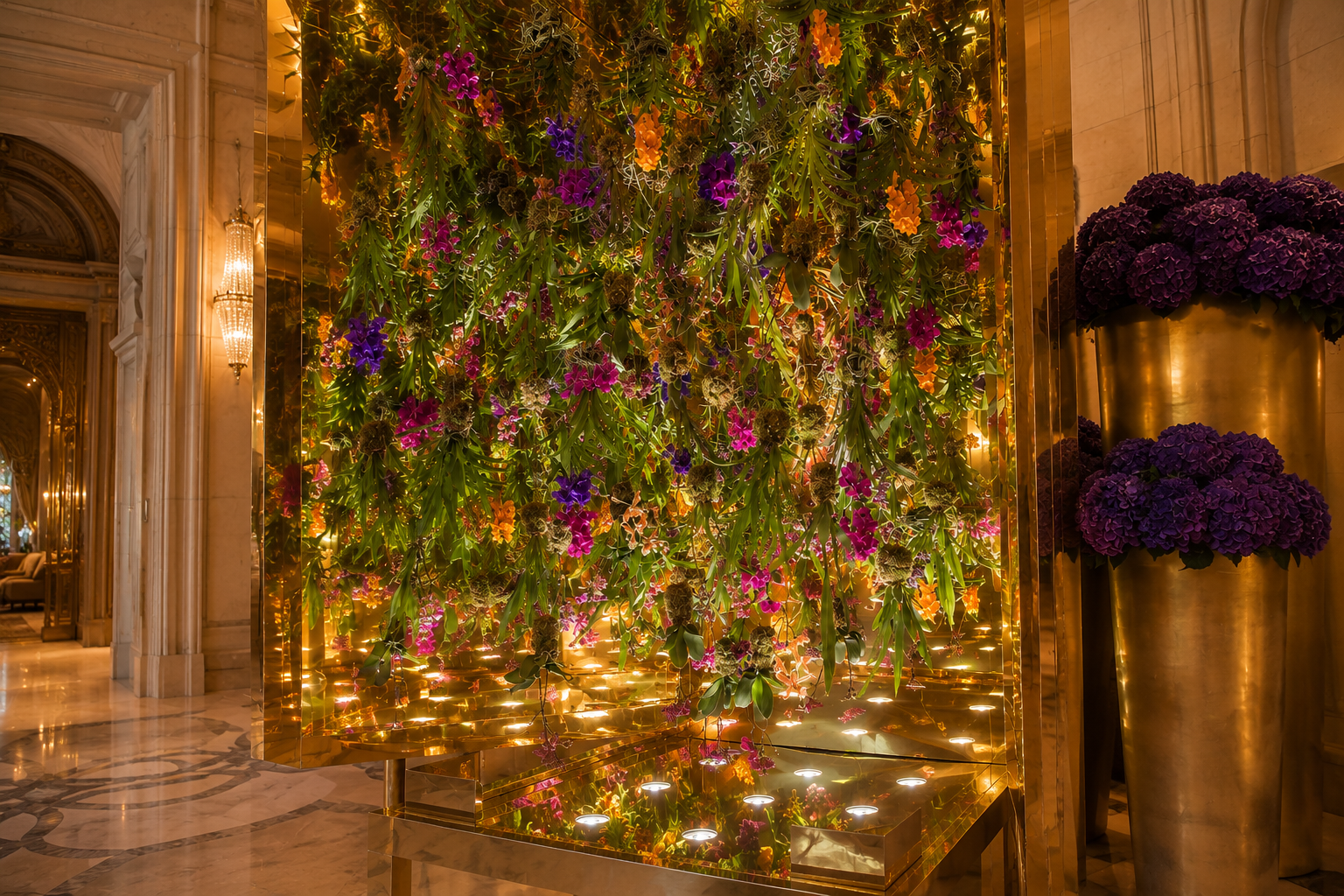 Increasingly, the world's wealthiest individuals are investing not simply in assets, but in environments that enhance well-being, enrich daily life, and create lasting emotional and cultural value.
This evolution reflects the rise of Neuro-Luxury—a new vision of luxury in which experience, emotion, serenity, and well-being have become just as important as rarity, prestige, or financial performance. A trend we explored in greater depth in our analysis of Neuro-Luxury and Emotional Engineering, where luxury is increasingly defined not only by what people own, but by how a place makes them feel.
As a result, investors are showing growing interest in estates that integrate wellness spas, longevity programs, organic agriculture, meditation spaces, private nature reserves, and immersive lifestyle experiences.
Heritage is no longer viewed solely as something to preserve.
It is becoming a place to live, reconnect, and create lasting memories.
In this new luxury paradigm, an exceptional asset is expected to generate a dual return:
-
Economic Return
-
Emotional Return
This shift helps explain the growing appeal of historic estates, private domains, vineyards, wellness retreats, and lifestyle-driven investments that combine financial value with personal fulfillment.
Within this emerging approach to wealth preservation and luxury investment, the value of an asset is no longer measured solely by its appreciation potential. Increasingly, it is also defined by its ability to create well-being, meaning, emotional connection, and a sustainable quality of life for both its owners and future generations.
As luxury continues to evolve, some of the world's most sought-after tangible assets are those capable of enriching lives while preserving wealth, legacy, and a deep sense of place.
Vineyards: Investing in the Art of Living
Where Land Meets Brand Value
Today, vineyards rank among the most sought-after tangible assets for international investors, family offices, and ultra-high-net-worth individuals.
For many investors, they represent one of the most compelling forms of luxury investment, combining premium real estate, agricultural production, brand equity, and global recognition within a single asset.
Unlike many traditional investments, prestigious vineyards benefit from multiple drivers of value creation. They combine land ownership, wine production, brand reputation, experiential tourism, and long-term appreciation potential.
What makes great vineyards particularly distinctive is their unique combination of rarity, territorial identity, and international prestige. Their value is derived not only from the quality of the land and production, but also from the history, reputation, and cultural heritage they embody.
Iconic estates such as Château Margaux, Château Cheval Blanc, and the renowned vineyards of the Antinori Family in Tuscany have demonstrated over generations how exceptional wine estates can preserve and enhance value while successfully navigating economic cycles.
At the crossroads of luxury, agriculture, hospitality, and lifestyle, vineyards have become exceptional heritage assets, particularly valued for their ability to combine financial performance, prestige, and intergenerational legacy.
As investors increasingly favor real assets over purely financial instruments, prestigious vineyards represent one of the purest expressions of tangible wealth: a productive, scarce, and deeply rooted asset capable of generating both economic and emotional returns.
This enduring fascination with great terroirs continues to inspire collectors, entrepreneurs, and family offices around the world. A selection of remarkable opportunities can be explored through our international vineyard collection, including:
Sport Horses: Where Passion Meets Investment
 A Living Asset with Exceptional Value
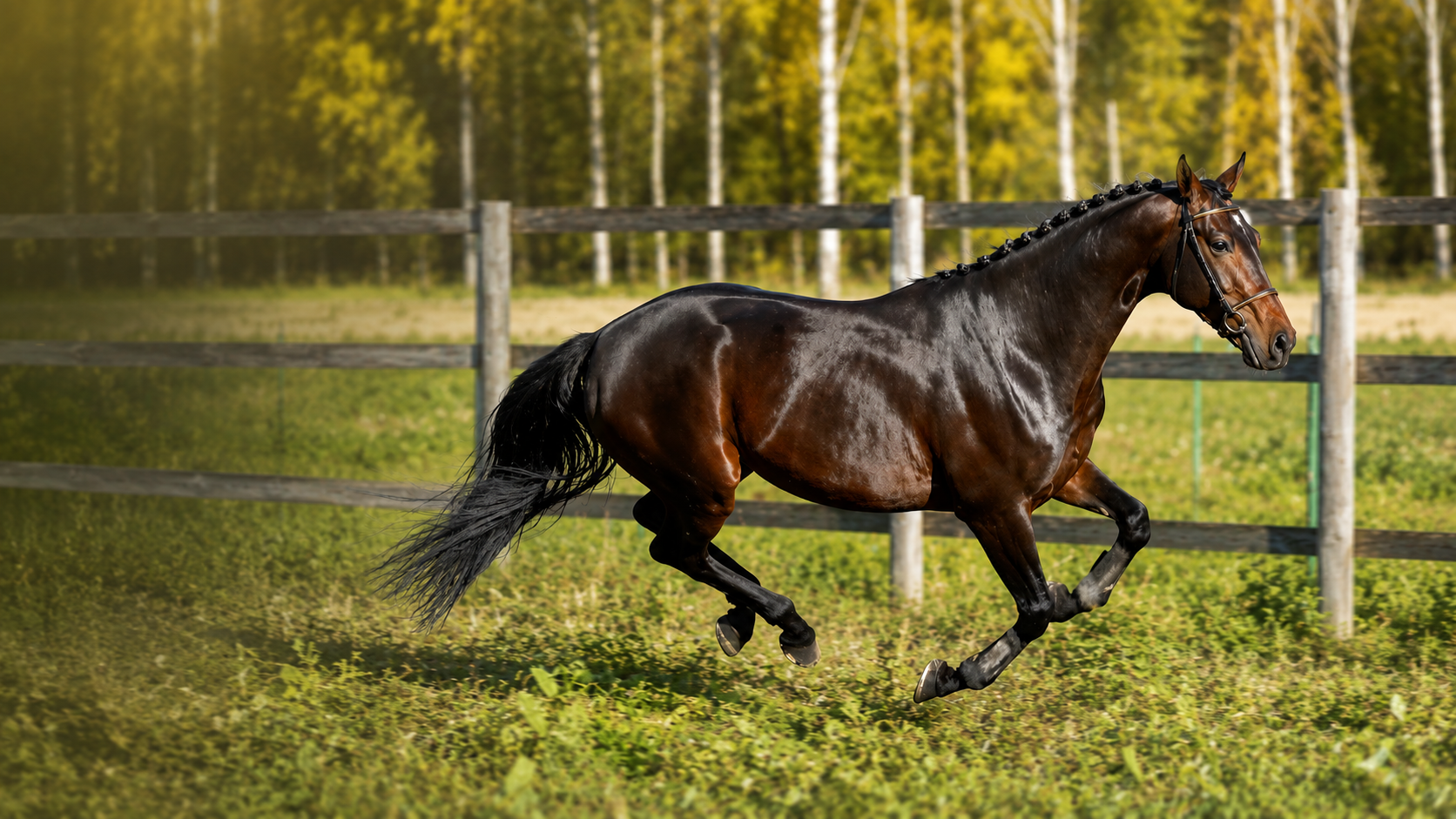
The global sport horse market has become increasingly international over the past decade, driven by the growth of elite equestrian competitions and rising investor interest in rare, differentiated, and performance-driven assets.
Olympic disciplines such as show jumping, dressage, and eventing continue to attract affluent buyers and investors seeking opportunities that combine passion, prestige, and long-term value creation.
At the highest level of the sport, exceptional horses can command remarkable valuations. The legendary Big Star, Olympic gold medalist and one of the most celebrated show jumping horses of modern times, was reportedly valued at several million euros. Today, elite competition horses regularly change hands in private transactions valued between €2 million and €10 million, with some exceptional bloodlines commanding even higher prices.
The market is also supported by internationally recognized breeding institutions such as Haras de Hus in France, Zangersheide in Belgium, and Haras de Clarbec in Normandy. These prestigious establishments have become benchmarks for excellence in breeding, training, and developing world-class sport horses.
Much like fine art, prestigious vineyards, or historic estates, elite sport horses represent a form of living heritage whose value is built upon genetic rarity, athletic performance, breeding quality, and the reputation of exceptional bloodlines.
For many investors and enthusiasts, sport horses represent far more than a financial asset. They offer a unique combination of emotional value, international networking opportunities, competitive achievement, and long-term appreciation potential.
As a result, this distinctive asset class continues to attract entrepreneurs, collectors, and family offices seeking investments where passion, excellence, and legacy converge.
From elite competition horses to world-renowned breeding farms, the equestrian world continues to offer rare opportunities within a market where performance, heritage, and prestige remain intrinsically linked.
Among the exceptional horses featured in our international equestrian collection are:
-
Aganix du Seigneur Z – Exceptional Stallion from Zangersheide
-
King Size by Osier du Maury – Exceptional International Stallion
Art: A Cultural Store of Value
When Heritage Becomes Art
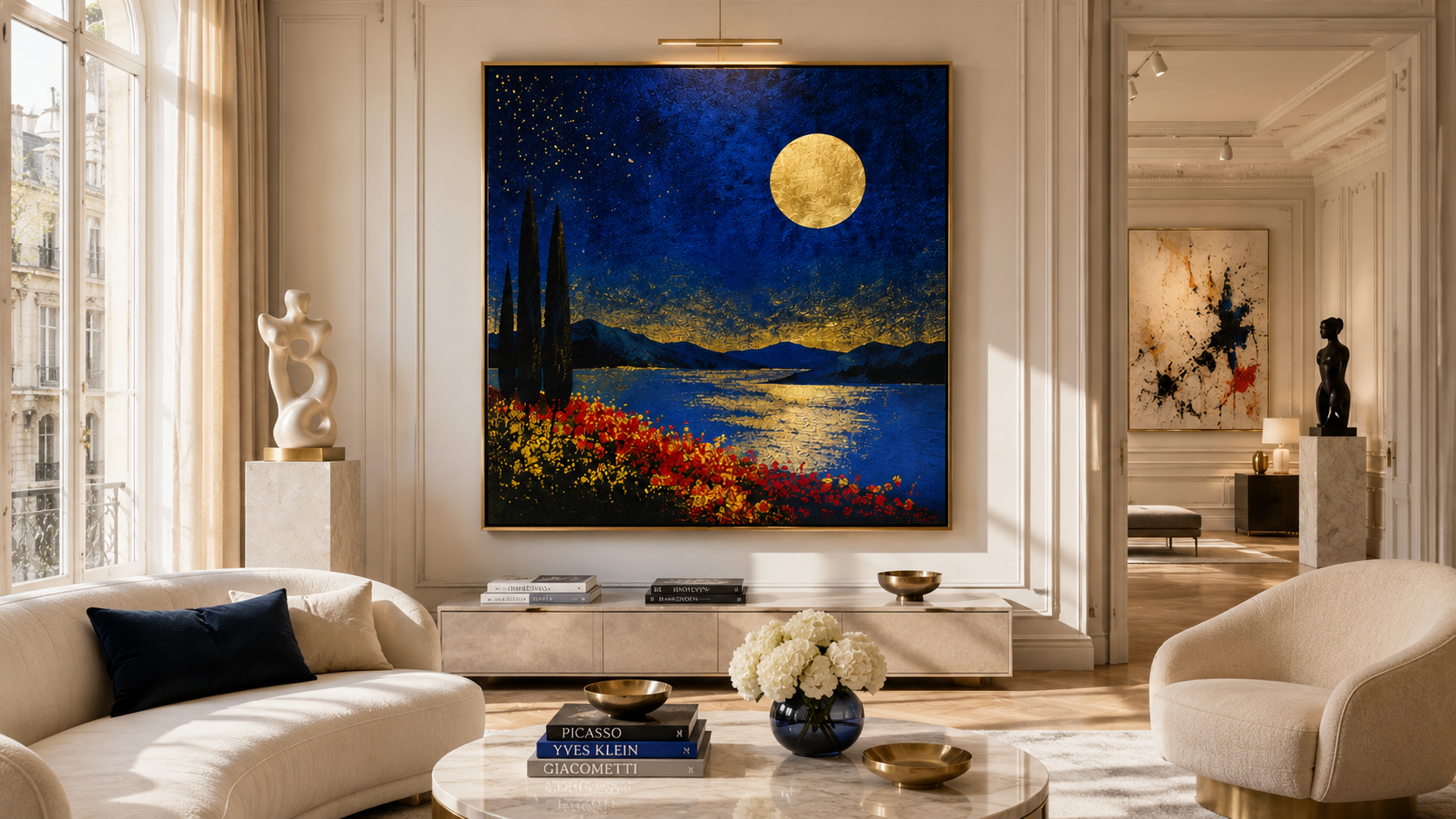 Art remains one of the most established alternative asset classes among ultra-high-net-worth individuals, collectors, and family offices worldwide.
Beyond its financial value, art offers cultural, emotional, and symbolic dimensions that explain its enduring role within sophisticated wealth preservation strategies.
According to the Art Basel & UBS Global Art Market Report, the global art market generates approximately $65 billion in annual transactions, confirming its continued appeal among investors seeking rare, internationally recognized assets that remain relatively independent from traditional financial markets.
Record-breaking sales at Sotheby's, Christie's, and Phillips continue to demonstrate strong global demand for exceptional works of art.
Among the most iconic transactions of recent decades, Salvator Mundi sold for more than $450 million, while masterpieces by Pablo Picasso, Claude Monet, and Jean-Michel Basquiat have each surpassed the $100 million mark at international auctions.
The importance of art in wealth strategies is also reflected in the collections assembled by some of the world's most influential collectors. François Pinault has built one of the world's leading contemporary art collections, displayed notably at the Bourse de Commerce in Paris and Palazzo Grassi in Venice. Likewise, Bernard Arnault has established one of Europe's most influential private cultural institutions through the Fondation Louis Vuitton.
For these collectors, art is far more than a financial asset. It represents cultural legacy, personal influence, and a lasting expression of identity.
Like historic estates, vineyards, and elite sport horses, the most sought-after artworks share the defining characteristics of exceptional tangible assets: rarity, authenticity, prestige, and the ability to transcend generations.
From Old Masters to contemporary artists, the art world continues to offer remarkable opportunities for investors and collectors alike.
Among the exceptional works featured in our international art collection are:
-
"La Lune dans le Bouquet" by Marc Chagall – Marina Ochakoff Collection
Farmland, Forests, and Private Estates: The Return of Land
The Luxury of Space
As urbanization continues to accelerate worldwide, the value of large natural properties is steadily increasing. Farmland, forests, private estates, hunting domains, and leisure properties have become some of the most sought-after real assets among investors seeking rarity, resilience, and diversification.
Golf estates provide a compelling illustration of this trend. Far beyond traditional real estate, they combine land ownership, lifestyle, premium tourism, and long-term appreciation potential.
Destinations such as Château Golf des Sept Tours in France and Quinta do Lago in Portugal demonstrate how premium land is evolving into a platform for experiences, well-being, and sustainable value creation.
This trend is also reflected in the strategies of some of the world's wealthiest individuals. Bill Gates has become one of the largest private farmland owners in the United States, with more than 270,000 acres of agricultural land. His strategy illustrates the growing interest in productive land assets capable of combining capital preservation, real economic output, and long-term appreciation.
As privacy, space, and access to nature become increasingly scarce, large estates are emerging as one of the most desirable expressions of modern tangible wealth.
For investors seeking exceptional land assets, our international collection of private domains, golf properties, agricultural estates, and natural retreats highlights the diversity of opportunities available across the global market, including:
-
Prestigious Château and 600-Hectare Hunting Estate – Loire Valley, France
-
13th-Century Château and 270-Hectare Estate – 45 Minutes from Paris
-
Elk Mountain Lodge – Exceptional Estate in Aspen, Colorado
When the Wealthiest Investors Lead the Way
The evolution of global wealth strategies reveals a clear trend: a gradual return to tangible assets and conviction-driven investments.
Whether in farmland, prestigious vineyards, fine art collections, elite sport horses, private estates, or historic properties, these assets share several defining characteristics: limited supply, intrinsic value, and the ability to preserve relevance across economic cycles.
Today, family offices, entrepreneurs, and ultra-high-net-worth individuals are increasingly prioritizing investments that combine wealth preservation, value creation, quality of life, and intergenerational legacy.
This shift also reflects a broader change in perspective. In an environment shaped by rapid technological innovation, geopolitical uncertainty, and financial market volatility, rarity, authenticity, and a connection to the real world are becoming powerful new markers of wealth.
From historic castles and renowned vineyards to museum-quality art collections and world-class equestrian assets, these investments are no longer viewed solely through a financial lens. They embody a long-term vision of wealth—one built on permanence, transmission, and the creation of enduring value.
For many of today's most sophisticated investors, success is no longer measured exclusively by financial performance. Increasingly, it is defined by the ability to own assets that combine economic resilience, cultural significance, emotional value, and lasting relevance.
Across the world, the wealthiest families are leading the way toward a new model of wealth—one in which purpose, utility, heritage, and legacy are valued as highly as financial returns.
In an increasingly digital age, the most enduring forms of wealth may ultimately be those that can be preserved, experienced, and passed on to future generations.
FAQ: About Tangible Assets and Luxury Investments
What are tangible assets?
Tangible assets are physical assets with intrinsic value that exist independently of financial markets. They include luxury real estate, historic estates, vineyards, fine art, sport horses, farmland, forests, and private domains. Unlike purely financial assets, tangible assets can provide both economic value and long-term wealth preservation.
Why are wealthy investors returning to tangible assets?
Many of the world's wealthiest investors are increasing their exposure to tangible assets because they offer rarity, resilience, and diversification. In an environment characterized by inflation, market volatility, and geopolitical uncertainty, real assets are increasingly viewed as strategic tools for preserving wealth across generations.
Why do family offices invest in tangible assets?
Family offices often invest in tangible assets because they combine capital preservation, long-term appreciation potential, lifestyle benefits, and intergenerational legacy. Historic estates, vineyards, fine art, and agricultural land are frequently used to diversify portfolios while creating lasting value.
What are the most popular tangible assets among ultra-high-net-worth individuals?
Among the most sought-after tangible assets are luxury real estate, historic castles, prestigious vineyards, fine art collections, sport horses, farmland, forests, and private estates. These assets are valued for their scarcity, authenticity, and ability to preserve wealth over time.
Are vineyards considered luxury investments?
Yes. Prestigious vineyards are increasingly regarded as luxury investments because they combine premium real estate, agricultural production, global brand recognition, experiential tourism, and long-term appreciation potential. Many family offices view vineyards as assets that generate both financial and emotional returns.
Why are historic castles attracting investors?
Historic castles offer a unique combination of heritage, prestige, hospitality potential, and wealth preservation. Increasingly, investors are transforming historic estates into luxury hospitality, wellness, and lifestyle destinations capable of generating both economic and experiential value.
Can fine art be considered an investment?
Fine art is widely recognized as an alternative asset class. Beyond its financial potential, art offers cultural significance, scarcity, and portfolio diversification. Many collectors and family offices view major artworks as both stores of value and long-term cultural legacies.
What is Neuro-Luxury?
Neuro-Luxury is an emerging luxury concept that focuses on emotional well-being, sensory experiences, and quality of life. In the context of real assets, it explains the growing demand for properties that combine wellness, nature, heritage, and lifestyle benefits alongside financial performance.
What is the difference between real assets and financial assets?
Real assets are physical assets such as real estate, land, vineyards, forests, and collectibles that possess intrinsic value. Financial assets, by contrast, include stocks, bonds, and other securities whose value depends primarily on financial markets and investor sentiment.
Do tangible assets outperform traditional investments?
Performance varies depending on the asset class and market conditions. However, many tangible assets have historically demonstrated strong resilience during periods of inflation and market volatility. Their appeal lies not only in potential returns but also in diversification, wealth preservation, and long-term legacy creation.
What role do tangible assets play in wealth preservation?
Tangible assets play a central role in many wealth preservation strategies because they combine scarcity, utility, and long-term relevance. They can help protect capital, diversify portfolios, and facilitate the transfer of wealth across generations.
Are luxury investments only for billionaires?
No. While some luxury investments require substantial capital, opportunities exist across a broad range of price points. Investors can gain exposure to luxury real estate, art, vineyards, agricultural land, or collectible assets depending on their objectives, budget, and investment horizon.
Does the Future Belong to the Tangible?
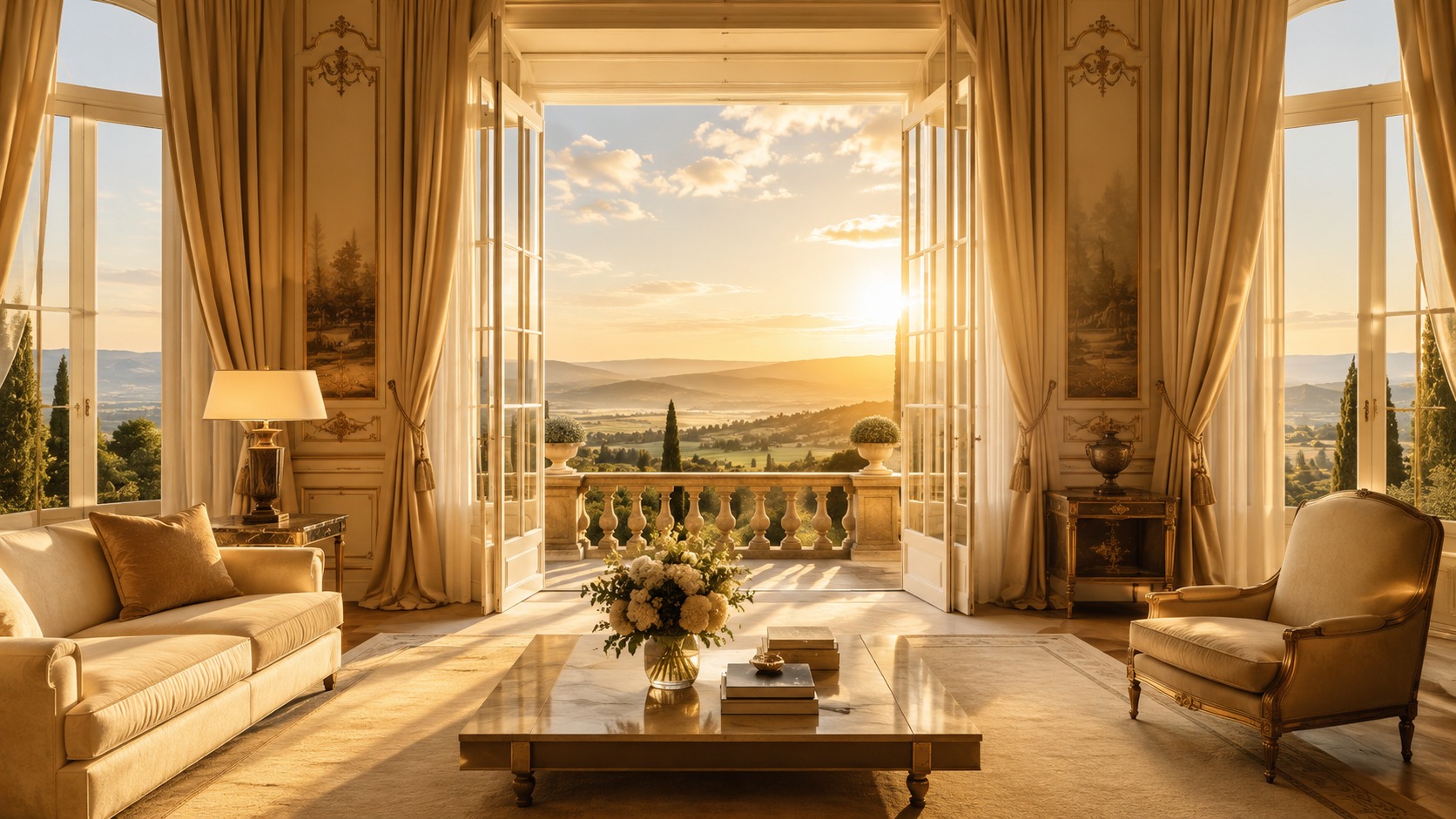 The digital economy will undoubtedly continue to create extraordinary wealth.
Artificial intelligence, immersive technologies, digital finance, and breakthrough innovations are likely to remain among the most powerful engines of global growth in the decades ahead.
Yet a growing conviction is emerging among family offices, entrepreneurs, and ultra-high-net-worth individuals: the more virtual the world becomes, the more valuable tangible assets become.
In this new economy of scarcity, tangible assets are no longer viewed simply as defensive holdings or safe havens.
They represent a new generation of luxury investments, built on rarity, authenticity, real-world utility, emotional value, and intergenerational legacy.
Historic castles, prestigious vineyards, fine art collections, elite sport horses, agricultural land, and exceptional private estates all share the same fundamental qualities: they are scarce, authentic, productive, and deeply rooted in time.
Beyond their financial potential, these assets offer something increasingly sought after by modern investors: purpose, emotional connection, lifestyle value, and the ability to preserve and transfer wealth across generations.
The return of tangible assets is not a temporary trend.
It reflects a profound transformation in global wealth management and a new definition of prosperity—one in which value is measured not only by financial performance, but also by quality of life, cultural significance, emotional impact, and long-term resilience.
In a world defined by constant acceleration, tangible assets remind us of a timeless truth: the most enduring forms of wealth are often those that can be experienced, preserved, and passed on.
This pursuit of rare, authentic, and meaningful assets is reshaping the strategies of today's most sophisticated investors and redefining the future of wealth preservation, luxury investment, and legacy planning.
At Luxury World For You, we explore this evolving vision of wealth through a curated international selection of opportunities where investment, heritage, and lifestyle converge.
Further Reading
Explore our insights into the trends shaping the future of luxury, exceptional real estate, and tangible asset investing:
Slow Luxury: The New Definition of Contemporary Luxury
Neuro-Luxury: When Neuroscience Meets Lifestyle and Well-Being
The Castles of the 21st Century: From Historic Heritage to Regenerative Luxury
Wellness & Slow Luxury 2026: The New Priorities of International Investors
Private Golf & Slow Luxury: The Rise of High-Value Lifestyle Destinations
Mauritius or Marbella: Two Visions of Luxury Real Estate Investment


